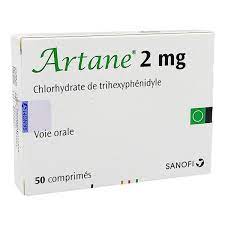
Artane is a medication that is used to treat tremors, stiffness, and spasms caused by medical conditions such as Parkinson’s disease, drug-induced extrapyramidal reactions, and cerebral palsy. Artane is classified as an anticholinergic agent, which means it blocks the effects of acetylcholine on the nerves that control muscles. Artane is also known by its generic name trihexyphenidyl. In this article, we will explore the uses, benefits, side effects, and warnings of Artane.
Uses of Artane
Artane is primarily used to treat the symptoms of Parkinson’s disease, which is a degenerative disorder of the nervous system that affects movement. Parkinson’s disease is characterized by tremors, stiffness, and slowed movement. Artane helps to reduce these symptoms by blocking the effects of acetylcholine on the nerves that control muscles.
Artane is also used to treat drug-induced extrapyramidal reactions, which are side effects of certain medications that affect the nervous system. These side effects can include tremors, muscle rigidity, and involuntary movements. Artane can help to reduce these symptoms by blocking the effects of acetylcholine on the nerves that control muscles.
In addition, Artane is sometimes used to treat cerebral palsy, which is a group of neurological disorders that affect muscle control and movement. Artane can help to reduce the muscle spasms and stiffness that are characteristic of cerebral palsy.
Benefits of Artane
The primary benefit of Artane is that it can help to reduce the symptoms of Parkinson’s disease, drug-induced extrapyramidal reactions, and cerebral palsy. By blocking the effects of acetylcholine on the nerves that control muscles, Artane can help to reduce tremors, muscle rigidity, and involuntary movements. This can improve overall quality of life for people with these conditions.
Artane can also help to reduce drooling, which is a common problem for people with Parkinson’s disease and other neurological conditions. This can help to improve social interactions and reduce embarrassment.
Side Effects of Artane
Like all medications, Artane can cause side effects. Common side effects of Artane include dry mouth, blurred vision, drowsiness, dizziness, and constipation. These side effects are usually mild and go away on their own as the body adjusts to the medication.
Less common side effects of Artane can include confusion, hallucinations, agitation, and memory problems. These side effects are more likely to occur in older adults, particularly those with dementia. If you experience any of these side effects, you should contact your doctor right away.
In rare cases, Artane can cause serious side effects such as a fever, difficulty breathing, and seizures. If you experience any of these symptoms, you should seek medical attention immediately.
Warnings about Artane
Before taking Artane, you should tell your doctor if you have any allergies to medications, especially anticholinergic agents such as atropine. You should also tell your doctor about any medical conditions you have, including glaucoma, urinary retention, or a history of seizures.
Artane can interact with other medications, so you should tell your doctor about all the medications you are taking, including prescription medications, over-the-counter medications, vitamins, and herbal supplements.
Artane can cause drowsiness and dizziness, so you should avoid driving or operating heavy machinery until you know how the medication affects you.
Finally, you should not drink alcohol while taking Artane, as it can increase the risk of side effects such as drowsiness and dizziness.
FAQs
Artane is primarily used to treat the symptoms of Parkinson’s disease, drug-induced extrapyramidal reactions, and cerebral palsy.
Artane works by blocking the effects of acetylcholine on the nerves that control muscles.
Common side effects of Artane include dry mouth, blurred vision, drowsiness, dizziness, and constipation. Less common side effects can include confusion, hallucinations, agitation, and memory problems.
People with allergies to anticholinergic agents such as atropine, glaucoma, urinary retention, or a history of seizures should not take Artane.
Yes, Artane can interact with other medications, so you should tell your doctor about all the medications you are taking, including prescription medications, over-the-counter medications, vitamins, and herbal supplements.






