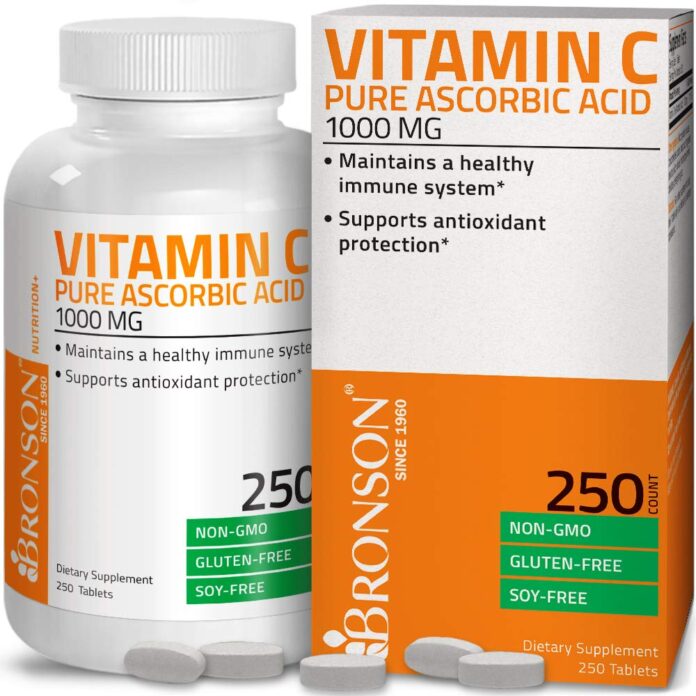
Vitamin C, also known as ascorbic acid, is a vital nutrient that plays a crucial role in maintaining overall health. It is a water-soluble vitamin that cannot be synthesized by the human body, which means it must be obtained through diet or supplements. This article will explore the uses, benefits, side effects, and warnings associated with ascorbic acid.
Uses
Ascorbic acid has a wide range of uses and benefits due to its antioxidant properties. Here are some common uses of ascorbic acid:
- Boosting the immune system: Vitamin C helps strengthen the immune system, making it more resilient against infections and diseases.
- Collagen synthesis: Ascorbic acid plays a vital role in the production of collagen, a protein necessary for wound healing, healthy skin, and the formation of connective tissues.
- Antioxidant properties: Vitamin C is a powerful antioxidant that helps protect the body from free radicals, unstable molecules that can damage cells and contribute to chronic diseases.
- Iron absorption: Ascorbic acid enhances the absorption of iron from plant-based sources, such as spinach and lentils, helping prevent iron deficiency anemia.
- Reducing the risk of chronic diseases: Studies suggest that a diet rich in vitamin C may reduce the risk of chronic diseases, including heart disease, certain types of cancer, and age-related macular degeneration.
Benefits
Ascorbic acid provides numerous health benefits due to its essential role in various bodily functions. Some of the key benefits of vitamin C include:
- Improved skin health: Vitamin C promotes collagen synthesis, reducing the appearance of wrinkles and improving overall skin texture.
- Stronger immune system: Ascorbic acid helps boost the production of white blood cells, which are vital for fighting off infections and diseases.
- Reduced risk of chronic diseases: The antioxidant properties of vitamin C help protect against oxidative stress, reducing the risk of chronic diseases such as heart disease and cancer.
- Faster wound healing: By aiding collagen production and enhancing the body’s natural healing process, vitamin C accelerates wound healing and tissue repair.
- Protection against eye diseases: Studies suggest that vitamin C may help prevent age-related macular degeneration and cataracts, two common eye diseases associated with aging.
Side Effects
While ascorbic acid is generally safe for most people when taken in recommended doses, excessive intake can lead to certain side effects. These may include:
- Digestive issues: High doses of vitamin C can cause diarrhea, nausea, and stomach cramps.
- Kidney stones: Some individuals may be prone to developing kidney stones due to excessive vitamin C intake.
- Iron overload: People with hemochromatosis, a condition causing iron accumulation in the body, should avoid high-dose vitamin C supplements as it can increase iron absorption.
- Allergic reactions: Rarely, individuals may experience allergic reactions to vitamin C supplements, such as hives, itching, or difficulty breathing.
Warnings
While ascorbic acid is generally safe, it is essential to be aware of certain warnings and considerations:
- Drug interactions: Vitamin C supplements may interact with certain medications, such as blood thinners or chemotherapy drugs. Consult a healthcare professional before starting any new supplements.
- Pregnancy and breastfeeding: Pregnant and breastfeeding women should consult their healthcare provider before taking high-dose vitamin C supplements.
- Smokers: Smokers require higher amounts of vitamin C due to increased oxidative stress. Consult a healthcare professional to determine the appropriate dosage.
In conclusion, ascorbic acid (vitamin C) is a vital nutrient with numerous uses and benefits. It supports the immune system, collagen synthesis, and acts as a powerful antioxidant. However, excessive intake can lead to side effects such as digestive issues and kidney stones. It is important to follow recommended doses and consider any warnings or drug interactions before starting any new supplements. A well-balanced diet rich in fruits and vegetables can provide sufficient amounts of vitamin C for most individuals.
FAQs (Frequently Asked Questions)
In most cases, a well-balanced diet can provide sufficient vitamin C. However, some individuals may require supplements to meet their daily needs.
The recommended dietary allowance (RDA) for vitamin C varies depending on age, sex, and life stage. For adults, the RDA ranges from 75 to 120 mg per day.
While vitamin C cannot prevent or cure the common cold, it may help reduce the duration and severity of symptoms.
Some medications may interact with vitamin C supplements. It is crucial to consult a healthcare professional before combining supplements with any prescribed medications.
Yes, vitamin C is naturally found in various fruits and vegetables, including citrus fruits, strawberries, kiwi, bell peppers, broccoli, and spinach.