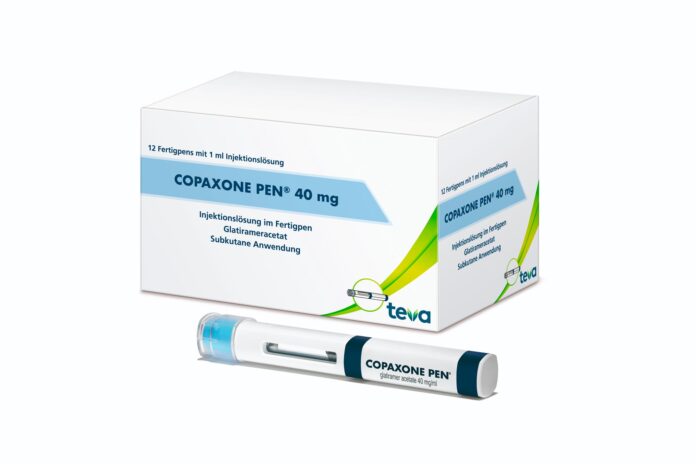
Copaxone Subcutaneous is a medication that is primarily used to treat relapsing forms of multiple sclerosis (MS). It contains glatiramer acetate, which works by modulating the immune system to reduce inflammation and damage to the nerves. This article will explore the uses, benefits, side effects, and warnings associated with Copaxone Subcutaneous.
Uses
Copaxone Subcutaneous is prescribed to individuals diagnosed with relapsing forms of MS, including relapsing-remitting MS (RRMS) and active secondary progressive MS (SPMS). It is not recommended for individuals with primary progressive MS. The medication helps to decrease the frequency of relapses and delay the progression of the disease. Copaxone Subcutaneous is administered via subcutaneous injection, typically on a daily basis.
Benefits
The primary benefit of using Copaxone Subcutaneous is its ability to reduce the frequency of MS relapses. By modulating the immune system, the medication helps to prevent further damage to the nerves, which can lead to improved quality of life for individuals living with MS. Additionally, Copaxone Subcutaneous has been shown to delay the accumulation of physical disability associated with the disease, allowing individuals to maintain greater functionality for a longer period.
Side Effects
Like any medication, Copaxone Subcutaneous may cause side effects in some individuals. Common side effects include injection site reactions, such as redness, pain, swelling, or itching. These reactions are usually mild and subside within a short period. Other potential side effects include flushing, chest pain, shortness of breath, anxiety, and allergic reactions. It is important to seek medical attention if any severe side effects occur.
Warnings
Before starting treatment with Copaxone Subcutaneous, it is essential to inform your healthcare provider about any allergies, medical conditions, or medications you are currently taking. This medication may not be suitable for individuals with a history of allergic reactions to glatiramer acetate or mannitol. It is also important to discuss any other medications you are taking, as some may interact with Copaxone Subcutaneous.
Pregnant or breastfeeding individuals should consult their healthcare provider before using Copaxone Subcutaneous, as the effects on unborn or nursing babies are not well-established. It is crucial to follow the prescribed dosage and administration instructions carefully to ensure maximum effectiveness and minimize the risk of side effects.
In conclusion, Copaxone Subcutaneous is a medication commonly prescribed for individuals with relapsing forms of multiple sclerosis. It helps reduce the frequency of relapses and delay disease progression. While it may cause mild side effects, the benefits of using Copaxone Subcutaneous outweigh the risks for many individuals. It is important to follow the prescribed dosage and administration instructions and consult your healthcare provider if you have any concerns.
FAQs
No, Copaxone Subcutaneous is not a cure for multiple sclerosis. It helps to manage the symptoms, reduce relapses, and delay disease progression.
Yes, Copaxone Subcutaneous is typically self-administered via subcutaneous injections. However, it is important to receive proper training from a healthcare professional before doing so.
The effects of Copaxone Subcutaneous may vary from person to person. Some individuals may experience a reduction in relapses within a few months, while others may require longer to see noticeable improvement.
Copaxone Subcutaneous is not approved for use in children. It is primarily prescribed for adults with relapsing forms of multiple sclerosis.
If you miss a dose, it is best to take it as soon as you remember. However, if it is close to the time for your next scheduled dose, it is advisable to skip the missed dose and continue with your regular dosing schedule. Do not take a double dose to make up for a missed one.