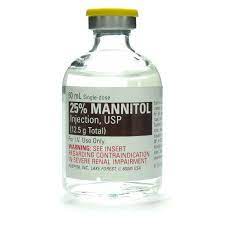
Mannitol is a medication that is commonly used in the medical field for various purposes. This article will discuss the uses, benefits, side effects, and warnings associated with mannitol.
Uses
Mannitol is primarily used as an osmotic diuretic, which means it helps to increase urine production by drawing water into the kidneys. It is often given to patients to increase urine output and reduce swelling or fluid buildup in the body.
Additionally, mannitol is used as a diagnostic aid in certain medical imaging procedures. It can help improve the visualization of certain structures and abnormalities within the body.
Benefits
The use of mannitol can provide several benefits to individuals who require medical intervention. Some of the key benefits include:
- Reduction of increased intracranial pressure: Mannitol is frequently used to alleviate pressure within the skull and brain, especially in cases of traumatic brain injury.
- Treatment of acute kidney injury: Mannitol can help in the prevention and treatment of acute kidney injury by increasing urinary flow and reducing the risk of kidney damage.
- Enhanced visualization in medical imaging: When used as a diagnostic aid, mannitol can significantly improve the accuracy and quality of imaging procedures, allowing clearer identification of certain conditions.
Side Effects
Although mannitol has numerous therapeutic benefits, it may also be associated with several side effects. It is important to be aware of these potential side effects before taking this medication. Common side effects may include:
- Nausea and vomiting
- Fluid and electrolyte imbalances
- Headache and dizziness
Serious side effects are rare but can occur, especially with high doses or prolonged use. These may include:
- Severe allergic reactions
- Convulsions or seizures
- Difficulty breathing
- Chest pain or palpitations
Warnings
Although mannitol can be highly effective in certain medical scenarios, certain precautions should be taken before using this medication. It is essential to consider the following warnings:
- Inform your healthcare provider about any allergies, existing medical conditions, or medications you are currently taking before using mannitol.
- Pregnant or breastfeeding women should consult their healthcare provider before using mannitol to ensure its safety.
- Mannitol should be used with caution in patients with heart or kidney problems, as it may exacerbate these conditions.
- Follow the prescribed dosage and duration of treatment provided by your healthcare provider to minimize the risk of adverse effects.
FAQs
Here are some frequently asked questions about mannitol:
No, mannitol is not recommended for weight loss as it primarily acts as a diuretic and is not specifically designed for reducing body weight.
Mannitol is usually given intravenously under medical supervision. The dosage and rate of administration will vary depending on the condition being treated.
Mannitol should only be used under the guidance of a healthcare professional. It is not suitable for everyone, especially individuals with certain medical conditions or allergies.
If you miss a dose, contact your healthcare provider for guidance. Do not double the dose to make up for the missed one.
It is important to inform your healthcare provider about all medications, supplements, and substances you are taking to avoid any potential interactions with mannitol.
conclusion
In summary, mannitol is a versatile medication used primarily as an osmotic diuretic and diagnostic aid in various medical contexts. While it offers numerous benefits, it is crucial to be aware of potential side effects and follow the recommended precautions to ensure safe and effective use.






