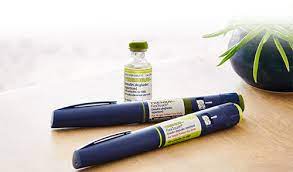
Tresiba is a long-acting insulin analog that is used to control blood sugar levels in patients with diabetes. It contains the active ingredient insulin degludec, which works by replacing the insulin that is normally produced by the body. This medication is available in the form of an injectable solution and should be used as part of a comprehensive diabetes treatment plan that includes a healthy diet and regular exercise.
Uses:
Tresiba is primarily used to treat both type 1 and type 2 diabetes. It is indicated for use in adults, as well as children aged one year and older with type 1 diabetes. Additionally, Tresiba is approved for adults and children aged six years and older with type 2 diabetes.
This insulin analog helps to keep blood sugar levels stable throughout the day and night, providing a more steady and consistent release of insulin when compared to other types of insulin. It should be noted that Tresiba is not intended for use during episodes of low blood sugar (hypoglycemia) or in the treatment of diabetic ketoacidosis.
Benefits:
There are several benefits associated with the use of Tresiba:
- Once-daily dosing: Tresiba has a long duration of action, which means that it only needs to be injected once a day.
- Reduced risk of hypoglycemia: Tresiba has been shown to have a lower risk of hypoglycemic events compared to other insulins.
- Flexibility in dosing time: Tresiba can be injected at any time of the day, as long as the injections are taken at the same time each day.
- Improved blood sugar control: Tresiba helps to regulate blood sugar levels, leading to improved glycemic control.
Side Effects:
Like any medication, Tresiba can cause side effects. While not everyone will experience these side effects, it is important to be aware of them:
- Hypoglycemia: This is the most common side effect of insulin therapy. Symptoms of hypoglycemia include dizziness, shaking, sweating, confusion, and an accelerated heart rate. It is crucial to monitor blood sugar levels and take necessary precautions to avoid low blood sugar.
- Injection site reactions: Some individuals may experience redness, itching, or swelling at the injection site.
- Weight gain: Insulin therapy in general can lead to weight gain. Maintaining a healthy diet and exercise routine can help manage weight.
- Allergic reactions: Although rare, allergic reactions to Tresiba can occur. Signs of an allergic reaction may include hives, difficulty breathing, and swelling of the face, lips, tongue, or throat. Seek medical attention immediately if these symptoms occur.
Warnings:
Before starting Tresiba, it is important to consider the following warnings:
- Hypoglycemia risk: Tresiba, like other insulins, can cause hypoglycemia. It is important to monitor blood sugar levels closely and follow the prescribed dosage regimen to reduce the risk.
- Adjustments in dosage: Changes in patient’s physical activity level, meal patterns, or other factors may necessitate adjustments in the dosage of Tresiba. Consult with a healthcare provider for appropriate dosage adjustments.
- Do not share needles: Sharing needles can result in the transmission of blood-borne illnesses, such as HIV or hepatitis. Always use a new needle for each injection and dispose of used needles properly.
- Interactions with other medications: Certain medications, such as beta-blockers and certain oral diabetes drugs, may interact with Tresiba. Inform your healthcare provider about all medications you are currently taking to avoid potential interactions.
- Always consult with a healthcare provider or pharmacist for personalized recommendations and information specific to your medical condition.
Frequently Asked Questions (FAQs):
Tresiba should be used during pregnancy only if clearly needed. Consult with a healthcare provider to weigh the potential benefits and risks.
If you forget to take your dose of Tresiba, take it as soon as you remember. However, if it is already close to the time of your next scheduled dose, skip the missed dose and continue with your regular dosing schedule. Do not take a double dose to make up for the missed one.
Yes, Tresiba is approved for use in children aged one year and older with type 1 diabetes. However, appropriate dosage adjustments may be required for pediatric patients.
Tresiba should be stored in the refrigerator but should not be frozen. It can be kept at room temperature for up to 56 days if necessary, as long as it is kept away from heat and light.
Tresiba can be used alongside other diabetes medications, such as oral antidiabetic drugs or short-acting insulins. It is important to discuss with a healthcare provider to determine the appropriate combination and dosing.






 or in the treatment of diabetic ketoacidosis.)