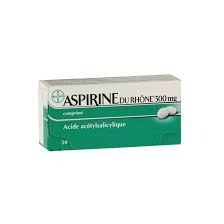
Aspirin is a medication that is widely used for its pain-relieving and anti-inflammatory properties. Also known as acetylsalicylic acid (ASA) – it is classified as a nonsteroidal anti-inflammatory drug (NSAID) – aspirin has a long history of use, and is commonly employed for the management of many different types of pain, including headaches, toothaches, menstrual cramps, and joint pain in conditions such as osteoarthritis and rheumatoid arthritis. Aspirin is also used to reduce fever and inflammation.
Uses
Aspirin is commonly used for the following purposes:
- Pain relief: Aspirin is commonly used to relieve mild to moderate pain, including headaches, toothaches, and menstrual cramps.
- Fever reduction: Aspirin is also used to reduce fever.
- Inflammation reduction: Aspirin has anti-inflammatory properties, and is used to reduce inflammation caused by a variety of conditions, including arthritis.
- Blood thinning: Aspirin is also used to help reduce the risk of blood clots, heart attacks, and strokes in high-risk patients.
- Cancer prevention: Studies have suggested that regular aspirin use may help reduce the risk of certain types of cancer, including colorectal cancer.
Benefits
Aspirin has several benefits that make it a popular medication for pain relief and other conditions. Some of its benefits include:
- Quick-acting: Aspirin is rapidly absorbed and begins to work quickly, making it an effective option for fast relief of pain and fever.
- Low cost: Aspirin is relatively inexpensive compared to other pain relievers.
- Reduced risk of blood clots: Aspirin can thin the blood, reducing the risk of blood clots and potentially fatal conditions like heart attacks and strokes.
Side Effects
Aspirin has several side effects that patients should be aware of before using. Some of the most common side effects include:
- Gastrointestinal problems: Aspirin can irritate the stomach lining, leading to stomach pain, nausea, vomiting, and in some cases gastrointestinal bleeding.
- Bruising: Aspirin can reduce the ability of the blood to clot, which can increase the risk of bruising and bleeding.
- Ringing in the ears: Some patients may experience tinnitus, a ringing in the ears, as a result of taking aspirin.
- Allergic reactions: Some patients may be allergic to aspirin, and may experience symptoms such as hives, difficulty breathing, and swelling of the face.
Warnings
Aspirin should not be used without prior consultation with a doctor, especially for people with the following health conditions:
- Stomach ulcers or other stomach problems
- Bleeding disorders such as hemophilia
- Allergies to NSAIDs or aspirin
- Asthma
- Liver or kidney disease
- Heart disease or high blood pressure
In addition, patients should adhere to the following precautions before using aspirin:
- Avoid taking aspirin with alcohol
- Avoid taking aspirin with other NSAIDs unless prescribed by a doctor
- Take aspirin with food to reduce stomach irritation
- Monitor any unusual symptoms and seek medical attention if needed
Conclusion
Overall, aspirin can be a useful medication for pain relief, fever reduction, and the prevention of blood clots. However, it is important to be aware of the potential side effects and warnings associated with its use, and to take necessary precautions to minimize any risks. Always speak with a healthcare provider before taking any medication.
FAQs
Aspirin is not recommended for children who are under 18 years old because it can increase the risk of Reye’s syndrome, a rare but serious condition that can lead to liver and brain damage.
Aspirin should not be taken during pregnancy unless absolutely necessary and only under the guidance of a doctor. Aspirin use during pregnancy has been associated with an increased risk of bleeding and other complications.
Yes, aspirin can be used for headache relief if it is not contraindicated due to other medical conditions.
The recommended dosage for aspirin varies depending on the condition being treated. Patients should follow the instructions provided by their doctor or the dosage and frequency indicated on the product label.
Long-term use of aspirin at higher doses can increase the risk of stomach bleeding and other complications. Patients should consult a doctor before using aspirin long-term for its blood-thinning properties.






