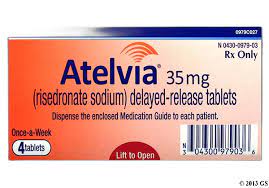
Uses
Atelvia is a prescription medication that belongs to a class of drugs called bisphosphonates. It is primarily used to treat and prevent osteoporosis in postmenopausal women. Osteoporosis is a condition that weakens bones, making them more prone to fractures. Atelvia works by slowing down bone loss and increasing bone density, reducing the risk of fractures.
Benefits
1. Increased Bone Strength: Atelvia helps strengthen bones by preventing bone loss and promoting bone mineralization. This can reduce the risk of fractures, especially in postmenopausal women.
2. Treatment of Osteoporosis: Atelvia is an effective treatment option for women with osteoporosis. It can slow down bone loss and improve bone density, leading to stronger bones and a decreased risk of fractures.
3. Prevention of Osteoporosis: Atelvia can also be used as a preventive measure for women who are at high risk of developing osteoporosis. It can help maintain bone density and reduce the risk of fractures as they age.
Side Effects
As with any medication, Atelvia may cause certain side effects. It is important to discuss these potential side effects with your healthcare provider before starting this medication. Common side effects of Atelvia may include:
1. Stomach Upset: Some individuals may experience stomach discomfort, bloating, or heartburn while taking Atelvia. It is recommended to take the medication with a full glass of water and remain upright for at least 30 minutes after ingestion to minimize these side effects.
2. Musculoskeletal Pain: Atelvia has been associated with joint, muscle, and bone pain. These symptoms are usually temporary and resolve with continued use. If the pain becomes severe or persistent, it is advised to consult your healthcare provider.
3. Headache: Some individuals may experience headaches as a side effect of Atelvia. If the headaches become severe or persistent, it is recommended to seek medical advice.
4. Flu-Like Symptoms: In rare cases, Atelvia may cause flu-like symptoms such as fever, chills, and body aches. If these symptoms persist or worsen, it is important to consult your healthcare provider.
Warnings
1. Esophagus Problems: Atelvia can cause irritation or ulceration of the esophagus, the tube connecting the mouth to the stomach. To minimize the risk of these complications, it is crucial to take Atelvia with a full glass of water and remain upright for at least 30 minutes after ingestion.
2. Low Calcium Levels: Atelvia may lower blood calcium levels, leading to hypocalcemia. It is essential to maintain adequate calcium and vitamin D intake while taking this medication. Your healthcare provider may recommend calcium and vitamin D supplements if necessary.
3. Kidney Function: Atelvia is primarily excreted through the kidneys. Therefore, individuals with impaired kidney function should use Atelvia with caution. Regular monitoring of kidney function may be necessary in such cases.
4. Drug Interactions: Atelvia may interact with certain medications, including calcium supplements, antacids, and other bisphosphonates. Inform your healthcare provider about all the medications you are taking to avoid potential drug interactions.
5. Dental Health: Atelvia has been associated with rare cases of osteonecrosis of the jaw (ONJ), a condition that causes jawbone decay. It is advisable to maintain good oral hygiene and undergo regular dental check-ups while taking Atelvia.
Conclusion
In conclusion, Atelvia is an effective medication for the treatment and prevention of osteoporosis in postmenopausal women. While it provides several benefits, it is essential to be aware of potential side effects and adhere to the recommended precautions and warnings. Always consult your healthcare provider for personalized advice and guidance regarding Atelvia or any other medication.
FAQs
Atelvia is approved for the treatment of osteoporosis in postmenopausal women only. Its safety and effectiveness in men have not been established.
The duration of Atelvia treatment will depend on your individual condition and the recommendation of your healthcare provider. It is important to follow their instructions and not discontinue the medication without consulting them first.
Atelvia should be taken on an empty stomach, at least 30 minutes before your first meal, drink, or medication of the day. Food can interfere with its absorption and effectiveness.
If you miss a dose of Atelvia, take it as soon as you remember, unless it is already time for your next scheduled dose. Do not take two doses at the same time to make up for the missed dose.
Although rare, allergic reactions to Atelvia can occur. Seek immediate medical attention if you experience symptoms such as rash, itching, swelling, severe dizziness, or difficulty breathing.