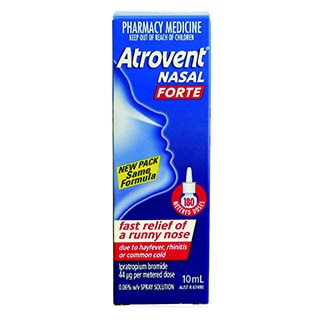
Atrovent is a prescription medicine that is often used in the treatment of respiratory illnesses such as chronic obstructive pulmonary disease (COPD), asthma, and bronchitis. This medication is an anticholinergic drug that works by relaxing the muscles in the airways and allowing for better airflow. In this article, we will delve into the uses, benefits, side effects, and warnings of Atrovent.
Uses
Atrovent is primarily used for the treatment of COPD, asthma, and bronchitis. It is usually prescribed when other medications have failed to produce desired results. It helps to prevent symptoms such as wheezing, shortness of breath, and chest tightness. Atrovent works by opening up the air passages in the lungs, making it easier to breathe.
Benefits
Atrovent is an effective medication that provides significant relief to people suffering from chronic respiratory illnesses. It is also helpful in managing sudden asthma attacks. This medication is fast-acting and provides relief within an hour of administration. The benefits of Atrovent include:
1. Relief from respiratory symptoms such as wheezing, shortness of breath, and chest tightness
2. Improved lung function
3. Reduced frequency and severity of asthma attacks
4. Reduced need for other medications such as rescue inhalers
Side Effects
As with any prescription medication, Atrovent may cause side effects that need medical attention. Common side effects that patients may experience include:
1. Dry mouth
2. Sore throat
3. Headache
4. Nausea
5. Dizziness
6. Sensation of spinning
7. Cough
8. Stomach pain
9. Blurred vision
In rare cases, Atrovent may cause serious side effects such as:
1. Difficulty breathing or swallowing
2. Chest pain
3. Rapid heartbeat
4. Hives, itching, or rash
5. Swelling of face, lips, tongue, or throat
6. Seizure
If you experience any of the above serious side effects, seek medical attention immediately.
Warnings
Atrovent should not be used by people with glaucoma, an enlarged prostate, or a history of urinary retention. Before taking this medication, it is important to inform your doctor if you:
1. Are pregnant or breastfeeding
2. Have a history of heart disease, high blood pressure, or irregular heartbeat
3. Have a thyroid disorder
4. Have kidney or liver disease
Atrovent may interact with other medications such as diuretics, beta-blockers, and antidepressants. It is important to inform your doctor of all the medications you are taking to avoid any drug interactions.
FAQs
- Is Atrovent safe for pregnant women?
Ans: It is important to inform your doctor if you are pregnant or breastfeeding before taking Atrovent.
- Is Atrovent addictive?
Ans: The recommended dosage of Atrovent varies depending on the severity of the condition.
- What is the recommended dosage of Atrovent?
Ans: The recommended dosage of Atrovent varies depending on the severity of the condition.
- Can I use Atrovent if I have glaucoma?
Ans: No, Atrovent should not be used by people with glaucoma.
- Can Atrovent be used to treat sudden asthma attacks?
Ans: Yes, Atrovent is helpful in managing sudden asthma attacks.
summary
In summary, Atrovent is a prescription medication used in the treatment of COPD, asthma, and bronchitis. It works by relaxing the muscles in the airways and allowing for better airflow. The benefits of Atrovent include relief from respiratory symptoms, improved lung function, reduced frequency and severity of asthma attacks, and reduced need for other medications such as rescue inhalers. The side effects of Atrovent are common and may include dry mouth, sore throat, headache, nausea, dizziness, and blurred vision. In rare cases, serious side effects may occur. Atrovent should not be used by people with certain medical conditions, and it may interact with other medications. It is important to inform your doctor of all the medications you are taking.






