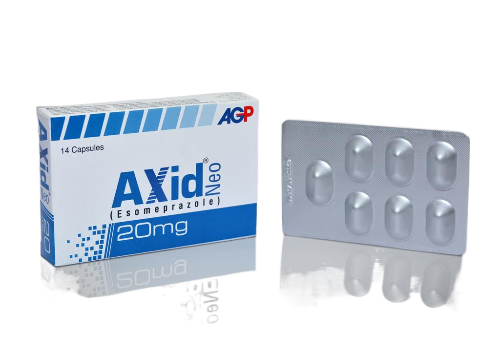
Axid is a medication that is used to treat conditions associated with excess stomach acid production such as gastroesophageal reflux disease (GERD) and ulcers. It works by decreasing the amount of acid produced in the stomach. In this article, we’ll take a closer look at Axid: its uses, benefits, side effects, and warnings.
Uses
Axid is primarily used to treat GERD, a condition wherein stomach acid flows back up into the esophagus, causing discomfort and potentially damaging the esophageal lining. It is also prescribed for the treatment of stomach and intestinal ulcers, and to prevent ulcers from returning after they have healed.
Axid is classified as an H2 blocker, which means it prevents the secretion of stomach acid by blocking histamine receptors in the stomach.
Benefits
By reducing the amount of acid produced by the stomach, Axid can provide relief from symptoms associated with GERD and ulcers, including heartburn, acid regurgitation, and chest pain. It can also help prevent complications from these conditions, such as bleeding ulcers and strictures (which occur when the esophagus narrows due to scarring caused by acid damage).
Compared to other drugs used to treat GERD and ulcers, Axid is less likely to cause interactions with other medications, making it a good choice for patients who are taking multiple drugs.
Side Effects
Like any medication, Axid can cause side effects. Some of the most common side effects include headache, diarrhea, constipation, and nausea. Other side effects that may occur less frequently include dizziness, fatigue, and skin rash.
In rare cases, Axid can cause more serious side effects such as liver damage, low blood pressure, and a decrease in the number of white blood cells, which can increase the risk of infections. If you experience any of these side effects, it is important to contact your doctor immediately.
Warnings
Before taking Axid, it is important to let your doctor know if you have any allergies, as well as any medical conditions you may have. If you are pregnant or breastfeeding, you should speak to your doctor before taking Axid.
Axid can interact with other medications, so be sure to let your doctor know if you are taking any other drugs, including over-the-counter medications and supplements. If you are taking antacids, be sure to wait at least two hours after taking Axid before taking an antacid.
Axid should not be used as a long-term treatment for GERD or ulcers, as it can mask the symptoms of other conditions that may require different treatments.
FAQs
Axid usually starts working within an hour of taking it, although it may take several days of treatment to see improvement in symptoms.
Axid can be taken with or without food, although taking it with food may help to reduce stomach upset.
It is best to avoid drinking alcohol while taking Axid, as alcohol can increase the amount of acid produced by the stomach.
No, Axid is not addictive.
Hair loss is not a known side effect of Axid. However, if you experience hair loss while taking Axid, you should contact your doctor.






