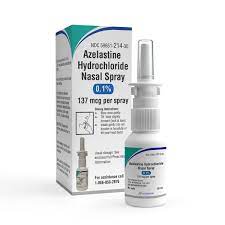
Azelastine is a medication that is primarily used to treat allergic rhinitis, a common condition characterized by symptoms such as runny nose, sneezing, itching, and nasal congestion. This article explores the uses, benefits, side effects, and warnings associated with azelastine.
Uses
Azelastine is commonly prescribed to relieve the symptoms of seasonal allergic rhinitis, also known as hay fever. It is effective in reducing nasal congestion, sneezing, itching, and runny nose caused by environmental allergens such as dust mites, pollen, pet dander, and mold spores.
In addition, azelastine can be used to manage symptoms of perennial allergic rhinitis, which refers to year-round allergy symptoms triggered by substances like mold, pet dander, or dust mites. By reducing inflammation and histamine release in the nasal passages, the medication provides relief and improves quality of life for individuals experiencing these allergic symptoms.
Benefits
One of the primary benefits of azelastine is its ability to provide fast-acting relief from allergic rhinitis symptoms. Many users report experiencing improvement within a few hours of taking the medication. It is particularly useful for alleviating nasal congestion and reducing the frequency and intensity of sneezing and itching.
Furthermore, azelastine is available in both nasal spray and ophthalmic solution forms, making it convenient for individuals who experience eye-related allergy symptoms. By applying the ophthalmic solution, individuals can experience relief from itching, redness, watering, and puffiness caused by ocular allergies.
Side Effects
Like any medication, azelastine may cause side effects in some individuals. The most commonly reported side effects include bitter taste, nasal irritation, nasal bleeding, headache, fatigue, and drowsiness. These side effects are usually mild and temporary. It is important to follow the prescribed dosage and administration instructions to minimize the likelihood and intensity of these side effects.
In rare cases, some individuals may experience an allergic reaction to azelastine. Symptoms of an allergic reaction may include rash, itching, swelling, severe dizziness, and difficulty breathing. If any of these symptoms occur, it is crucial to seek immediate medical attention.
Warnings
Before using azelastine, it is essential to inform your healthcare provider of any existing medical conditions, allergies, or medications you are taking, including over-the-counter drugs and supplements. This will help prevent potential drug interactions and ensure the safety and effectiveness of azelastine.
Azelastine may cause drowsiness and impair your ability to operate machinery or drive. Therefore, it is advised to avoid activities that require alertness until you know how the medication affects you.
Pregnant or breastfeeding individuals should consult their healthcare provider before using azelastine to evaluate the potential risks and benefits.
FAQs
Azelastine is generally safe for children aged 6 and above. However, it is recommended to consult a pediatrician for appropriate dosage instructions.
Many users report experiencing relief within a few hours of using azelastine. However, individual response may vary.
No, azelastine is not addictive.
Azelastine is specifically formulated to treat allergic rhinitis and may not be effective against cold symptoms.
It is advisable to consult a healthcare professional before combining azelastine with other allergy medications to avoid potential drug interactions.
In conclusion, azelastine is a medication commonly prescribed to relieve the symptoms of allergic rhinitis. It provides fast-acting relief from nasal congestion, sneezing, itching, and runny nose. While generally safe, it is important to be aware of potential side effects and follow the recommended dosage guidelines. By understanding its uses, benefits, side effects, and warnings, individuals can use azelastine safely and effectively to manage their allergic symptoms.






