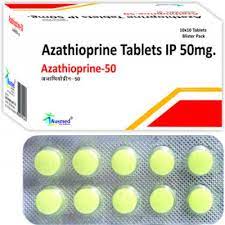
Uses
Azathioprine is a medication that belongs to a class of drugs known as immunosuppressants. It is primarily used to prevent the rejection of organ transplants and to treat certain autoimmune diseases such as rheumatoid arthritis, Crohn’s disease, and lupus. Azathioprine works by suppressing the body’s immune system, which helps to control the inflammation associated with these conditions.
Benefits
The main benefit of Azathioprine is its ability to reduce the risk of rejection of transplanted organs. When someone undergoes an organ transplant, their immune system identifies the new organ as foreign and attacks it. Azathioprine helps to prevent this rejection by suppressing the immune response. Additionally, Azathioprine can play a crucial role in managing autoimmune diseases. By suppressing the immune system, it helps to alleviate symptoms like joint pain, swelling, and inflammation associated with conditions like rheumatoid arthritis and Crohn’s disease.
Side Effects
While Azathioprine can be highly beneficial, it is important to be aware of the potential side effects associated with this medication. Some common side effects include nausea, vomiting, stomach pain, diarrhea, and loss of appetite. These symptoms are usually mild and tend to subside with time. However, if any of these side effects persist or worsen, it is essential to seek medical attention. Moreover, Azathioprine may weaken the body’s immune system, leading to an increased risk of infections. It is crucial to promptly report any signs of infection, such as fever, sore throat, or persistent cough, to your healthcare provider.
Warnings
There are certain precautions and warnings to consider before using Azathioprine. It is important to inform your doctor if you have any allergies or medical conditions, especially liver disease, kidney disease, or a history of cancer. Azathioprine can potentially increase the risk of developing certain types of cancer, particularly lymphoma and skin cancer. Therefore, individuals using this medication should regularly undergo skin exams to detect any unusual growths or changes. Additionally, Azathioprine is not recommended during pregnancy as it may harm the unborn baby. It is crucial to discuss contraceptive options with your healthcare provider while using this medication.
Frequently Asked Questions
It is essential to inform your doctor about all the medications you are currently taking to avoid any potential interactions. Certain drugs, such as allopurinol and warfarin, can interact with Azathioprine and increase the risk of side effects.
The effects of Azathioprine may not be noticeable immediately. It may take several weeks to months before experiencing the full benefits of this medication. It is important to continue taking Azathioprine as prescribed by your healthcare provider unless instructed otherwise.
It is generally recommended to avoid alcohol consumption while on Azathioprine. Alcohol can worsen some of the side effects associated with this medication, such as liver toxicity.
There are no specific dietary restrictions associated with Azathioprine. However, it is important to maintain a balanced and healthy diet to support overall well-being.
Azathioprine may be prescribed to children in certain cases, such as for the treatment of specific autoimmune diseases. However, the dosage and administration should be determined by a healthcare professional based on the child’s age, condition, and medical history.






