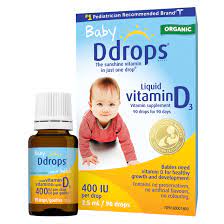
Vitamin D is an essential nutrient that plays a crucial role in the growth and development of babies. While sunlight is a natural source of vitamin D, sometimes it may not be enough, especially for infants who are not exposed to sunlight regularly. In such cases, Baby Vitamin D3 supplements can be a great way to ensure that your little one gets the required amount of this vital nutrient. Let’s explore the uses, benefits, side effects, and warnings associated with Baby Vitamin D3.
Uses
Baby Vitamin D3 is primarily used to prevent and treat vitamin D deficiency in infants. It aids in the absorption and utilization of calcium and phosphorus, which are essential for the development and maintenance of strong bones and teeth. This supplement is specifically designed for babies, ensuring that they receive the appropriate dosage for their age and size.
Benefits
The benefits of Baby Vitamin D3 are numerous. Some of the key advantages include:
- Bone Health: Baby Vitamin D3 helps in the proper development of bones and teeth, preventing conditions like rickets and weak bones.
- Immune System Support: Vitamin D plays a crucial role in boosting the immune system, helping babies fight off infections and illnesses.
- Brain Development: Studies have shown a link between vitamin D deficiency and cognitive impairments. Baby Vitamin D3 aids in the healthy development of the brain.
- Muscle Function: Vitamin D is essential for proper muscle function and coordination, ensuring that your baby’s movements are smooth and coordinated.
- Mood Regulation: Adequate levels of vitamin D have been associated with improved mood and reduced risk of mood disorders in infants.
Side Effects
While Baby Vitamin D3 is generally safe when taken as directed, excessive intake can lead to side effects. Some potential side effects include:
- Nausea and Vomiting: In rare cases, high doses of vitamin D3 can cause gastrointestinal discomfort, leading to nausea and vomiting.
- Constipation: Excess vitamin D3 can also cause constipation in babies. It is important to ensure that the recommended dosage is not exceeded.
- Weakness and Fatigue: Very high doses of vitamin D3 can lead to excessive calcium absorption, resulting in weakness and fatigue.
- Irritability: Some infants may experience irritability or fussiness due to an imbalance in vitamin D levels.
- Dehydration: In rare cases, excessive vitamin D3 intake can cause dehydration. It is essential to monitor your baby’s fluid intake if they are taking vitamin D3 supplements.
Warnings
While Baby Vitamin D3 is generally safe for infants, it is important to take certain precautions:
- Consult a Pediatrician: Before starting any vitamin D3 supplement, it is advisable to consult a pediatrician. They can guide you on the appropriate dosage and duration based on your baby’s specific needs.
- Follow Dosage Instructions: Always follow the recommended dosage instructions provided by the pediatrician or as mentioned on the product packaging. Avoid exceeding the recommended dose.
- Store Properly: Keep Baby Vitamin D3 supplements out of reach of children, stored in a cool, dry place, away from direct sunlight.
- Monitor Side Effects: If you notice any unusual symptoms or side effects after administering Baby Vitamin D3, contact your pediatrician immediately.
- Combine with a Balanced Diet: Baby Vitamin D3 supplements should not replace a healthy, balanced diet. Ensure your baby receives a variety of nutrient-rich foods for overall growth and development.
Frequently Asked Questions (FAQs)
Here are some commonly asked questions about Baby Vitamin D3:
While sunlight is a natural source of vitamin D, it may not be sufficient for infants, especially if they have limited exposure or live in areas with low sunlight. Consult your pediatrician to determine if your baby needs additional supplementation.
Yes, Baby Vitamin D3 supplements can be mixed with food or formula. Follow the instructions provided by the pediatrician or those mentioned on the product packaging for the appropriate mixing method.
The duration of Baby Vitamin D3 supplementation varies depending on your baby’s individual needs. Your pediatrician will advise you on the recommended duration based on factors such as age, health, and sunlight exposure.
Allergic reactions to Baby Vitamin D3 are extremely rare. However, if you notice any signs of an allergic reaction, such as rash, itching, or difficulty breathing, discontinue use and seek immediate medical attention.
Baby Vitamin D3 generally does not have significant interactions with other medications. However, it is always advisable to inform your pediatrician about any other medications or supplements your baby is taking to ensure there are no potential interactions.
Remember, Baby Vitamin D3 is a valuable supplement to ensure your baby receives adequate vitamin D. However, it is important to use it responsibly and consult a healthcare professional for personalized advice.