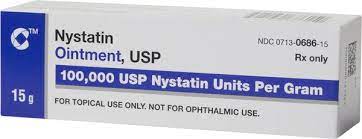
Nystatin topical is a medication used to treat fungal infections of the skin. It belongs to a class of drugs known as polyenes. This article will explore the uses, benefits, side effects, and warnings associated with the use of Nystatin topical.
Uses
Nystatin topical is primarily used to treat various fungal infections, including athlete’s foot, jock itch, and ringworm. It works by interfering with the growth and reproduction of fungi, ultimately eliminating the infection. The medication is available in various forms such as creams, ointments, and powders, making it suitable for different types of infections and skin conditions.
Benefits
One of the key benefits of using Nystatin topical is its ability to effectively treat fungal infections. It provides relief from symptoms such as itching, redness, and irritation, allowing the skin to heal. The medication is generally safe to use and is available over-the-counter in most cases, making it easily accessible for those in need. Furthermore, Nystatin topical is known for its quick action, often providing noticeable improvements within a few days of use.
Side Effects
While Nystatin topical is generally safe, some individuals may experience side effects. Common side effects include mild burning or stinging sensation at the application site, redness, and skin irritation. These side effects are usually mild and temporary, subsiding on their own. However, if these side effects persist or worsen, it is advisable to consult a healthcare professional.
In rare cases, individuals may experience allergic reactions to Nystatin topical. Symptoms of an allergic reaction include rash, itching, swelling, severe dizziness, and difficulty breathing. If any of these symptoms occur, immediate medical attention should be sought.
Warnings
While Nystatin topical is generally safe for use, certain precautions should be taken. It is important to avoid contact with the eyes, nose, mouth, and other mucous membranes. If accidental contact occurs, the area should be thoroughly rinsed with water. Furthermore, it is advisable to avoid using Nystatin topical on broken or damaged skin, as it may cause further irritation.
Individuals with known allergies to Nystatin or any of its ingredients should avoid using this medication. It is always recommended to consult a healthcare professional before starting any new medication, especially if you have any underlying medical conditions or are taking other medications.
Pregnant and breastfeeding women should also exercise caution when using Nystatin topical. While there is limited information available regarding its effects on pregnancy and breastfeeding, it is best to consult a healthcare professional to weigh the potential benefits and risks.
FAQs
Nystatin topical is effective against various fungal infections, but the specific type of infection should be diagnosed by a healthcare professional. They can recommend the appropriate treatment based on the specific fungus causing the infection.
The duration of treatment can vary depending on the severity of the infection. In most cases, noticeable improvements can be observed within a few days of use. However, it is important to complete the full course of treatment as prescribed by a healthcare professional, even if symptoms improve earlier.
Nystatin topical is generally well-tolerated, even by individuals with sensitive skin. However, if you experience any excessive redness, irritation, or discomfort, it is advisable to discontinue use and consult a healthcare professional.
It is recommended to avoid applying other topical medications simultaneously with Nystatin, as it may interfere with the effectiveness of both medications. If you are using other topical medications, it is best to consult a healthcare professional before combining them.
Nystatin topical is generally safe for children, but it is always advisable to consult a healthcare professional before using any medication on children, especially those under the age of two. They can provide appropriate guidance based on the child’s age and the nature of the infection.






