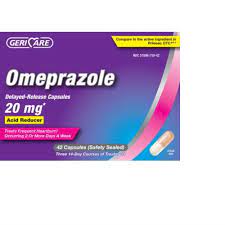
Omeprazole Magnesium is a medication commonly prescribed for the treatment of various gastrointestinal conditions. It belongs to a class of drugs known as proton pump inhibitors (PPIs) and works by reducing the production of stomach acid. This article explores the uses, benefits, side effects, and warnings associated with Omeprazole Magnesium.
Uses
Omeprazole Magnesium is primarily used to treat conditions related to excess stomach acid production. Some of the common uses include:
- Gastroesophageal Reflux Disease (GERD): Omeprazole Magnesium helps alleviate symptoms of GERD such as heartburn, acid reflux, and regurgitation by reducing the amount of acid in the stomach.
- Peptic Ulcers: This medication aids in the healing and prevention of peptic ulcers, which are open sores that develop on the lining of the stomach or upper small intestine.
- Zollinger-Ellison Syndrome: Omeprazole Magnesium is also prescribed to manage this rare condition, which causes excessive production of stomach acid.
Benefits
The use of Omeprazole Magnesium provides several benefits for individuals suffering from gastrointestinal conditions. Some of the notable benefits include:
- Relief from symptoms: Omeprazole Magnesium effectively reduces the symptoms associated with excess stomach acid, such as heartburn and acid reflux.
- Healing of ulcers: By reducing stomach acid, this medication promotes the healing of peptic ulcers and helps prevent their recurrence.
- Improved quality of life: Managing gastrointestinal conditions with Omeprazole Magnesium can significantly enhance an individual’s overall well-being by alleviating discomfort and improving digestion.
Side Effects
While Omeprazole Magnesium is generally safe and well-tolerated, it may cause certain side effects in some individuals. Common side effects include:
- Headache
- Nausea
- Diarrhea
- Abdominal pain
- Constipation
These side effects are usually mild and resolve on their own. However, if they persist or worsen, it is advisable to consult a healthcare professional. In rare cases, Omeprazole Magnesium may cause more severe side effects, such as:
- Allergic reactions
- Severe abdominal pain
- Difficulty swallowing
- Unexplained weight loss
- Changes in urine color
If any of these serious side effects occur, immediate medical attention should be sought.
Warnings
While Omeprazole Magnesium is generally safe for most individuals, certain precautions should be taken into consideration:
- Allergic reactions: Inform your healthcare provider if you have a known allergy to Omeprazole Magnesium or any other PPIs.
- Interactions with other medications: Omeprazole Magnesium may interact with certain medications, including blood thinners and antifungal drugs. It is important to inform your doctor about all the medications you are currently taking.
- Pregnancy and breastfeeding: If you are pregnant or breastfeeding, consult your healthcare provider before using Omeprazole Magnesium, as its safety during these periods is not well-established.
- Long-term use: Prolonged use of Omeprazole Magnesium may increase the risk of certain complications, such as fractures and vitamin deficiencies. It is essential to follow your doctor’s instructions and discuss the duration of treatment.
FAQs
Omeprazole Magnesium may interact with certain medications. It is crucial to inform your healthcare provider about all the medications you are taking to avoid potential drug interactions.
If you are pregnant or planning to become pregnant, it is important to consult your doctor before using Omeprazole Magnesium. The safety of this medication during pregnancy is not well-established.
While rare, allergic reactions to Omeprazole Magnesium can occur. If you experience symptoms such as rash, itching, or swelling, seek immediate medical attention.
Prolonged use of Omeprazole Magnesium may increase the risk of certain complications. It is essential to follow your doctor’s instructions and discuss the duration of treatment.
Yes, Omeprazole Magnesium is commonly prescribed to alleviate heartburn and other symptoms associated with excess stomach acid.






