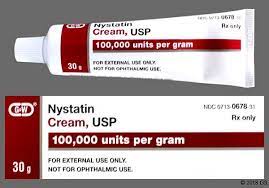
Nystatin is an antifungal medication used to treat a variety of fungal infections, including candidiasis, thrush, and ringworm. It can be taken by mouth, applied to the skin, or used as a vaginal suppository.
Uses
Nystatin is primarily used to treat fungal infections caused by Candida, a type of yeast. Candida infections can occur in various parts of the body, including the skin, mouth, throat, and genitals. Nystatin prevents the growth and spread of Candida by disrupting its cell membrane, ultimately leading to its death.
Nystatin is also used to treat ringworm, a fungal infection that affects the skin and nails. This medication can be applied topically to the affected area, or taken orally in severe cases.
Benefits
The primary benefit of Nystatin is the effective treatment of fungal infections. It is relatively safe and easy to use, making it a popular choice for both patients and healthcare professionals. It comes in various forms, including tablets, creams, and suppositories, giving patients the flexibility to choose the most appropriate delivery method for their needs.
Unlike most other antifungal medications, Nystatin does not absorb into the bloodstream, reducing the likelihood of adverse reactions or interactions with other medications. This makes it an ideal choice for patients who are taking multiple medications or have pre-existing medical conditions.
Side Effects
Nystatin is generally well-tolerated, with few side effects reported. However, as with any medication, there is always a risk of adverse reactions. The most common side effects of Nystatin include:
- Mild skin irritation
- Nausea and vomiting
- Diarrhea
- Stomach pain
- Headache
- Dizziness
Contact your healthcare provider immediately if you experience any unusual symptoms or side effects while taking Nystatin.
Warnings
There are a few important warnings to keep in mind when taking Nystatin. First, if you have a known allergy to Nystatin or any antifungal medication, you should not take this medication. Additionally, if you are pregnant or breastfeeding, you should consult your healthcare provider before taking Nystatin.
Nystatin may interact with other medications, including antibiotics, immunosuppressants, and antacids. Be sure to inform your healthcare provider of all medications you are taking before starting Nystatin.
FAQs
The amount of time it takes Nystatin to work varies depending on the type and severity of the fungal infection being treated. In general, it may take several days to a few weeks to see significant improvement.
Yes, Nystatin can be used as a vaginal suppository to treat yeast infections.
Yes, Nystatin is safe for children and is often prescribed to treat oral thrush in infants.
Yes, Nystatin can be used to treat nail fungal infections, although it may take longer to see results compared to other antifungal medications.
There are no known interactions between Nystatin and alcohol, but it is always best to check with your healthcare provider before consuming alcohol while taking any medication.






