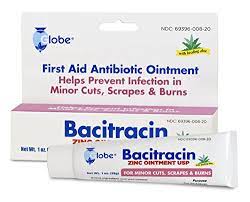
Bacitracin is an antibiotic medication that is primarily used to prevent and treat skin infections. It is commonly found in topical ointments and is available over the counter. Bacitracin works by stopping the growth of bacteria, allowing the body’s natural defense mechanisms to eliminate the infection.
Uses
Bacitracin is mainly used for the treatment of minor skin infections such as cuts, wounds, and burns. When applied to the affected area, it helps prevent the growth and spread of bacteria. This antibiotic ointment is often recommended for use on wounds that are not deep or penetrating. Bacitracin is also used in medical settings, such as hospitals, to prevent infection in surgical incisions or other open wounds.
Benefits
The primary benefit of using bacitracin is its ability to prevent and treat skin infections. By applying this ointment, it creates a protective barrier on the skin surface, preventing bacteria from entering the wound and causing further infection. Bacitracin is also known for its broad-spectrum activity against various bacteria, ensuring its effectiveness against a wide range of pathogens. Moreover, bacitracin is readily available over the counter, making it easily accessible for individuals needing quick and convenient treatment for minor skin infections.
Side Effects
While bacitracin is generally safe when used as directed, there are some potential side effects that users should be aware of. The most common side effect is an allergic reaction, which may manifest as a rash, itching, swelling, or difficulty breathing. If any of these symptoms occur, the use of bacitracin should be discontinued, and medical attention should be sought immediately. Some individuals may also experience skin irritation or redness at the application site; however, these side effects are typically mild and resolve on their own.
Warnings
It’s important to use bacitracin as directed and to follow any specific instructions provided by your healthcare professional or mentioned on the product label. Avoid applying bacitracin to deep wounds or puncture wounds, as it is not designed for these types of injuries. If your infection worsens or does not improve after a few days of using bacitracin, consult a healthcare professional. Bacitracin should also be used with caution in individuals with a known allergy to any of its components. If you have any concerns or questions about using bacitracin, consult with a healthcare professional.
FAQs
Bacitracin is generally safe to use on most areas of the body, including the face. However, be cautious when applying it near the eyes, nose, or mouth, as it may cause irritation or sensitivities in these sensitive areas. If you intend to use bacitracin on your face, it is advisable to consult a healthcare professional first.
No, bacitracin is not effective against fungal infections. It specifically targets and eliminates bacteria. For fungal infections, you may need to use a different medication or consult with a healthcare professional for appropriate treatment options.
Bacitracin is suitable for use on minor open wounds but should not be used on deep or puncture wounds. If you are unsure about the severity of your wound or have concerns, it is recommended to seek medical advice before applying bacitracin or any other medication.
Currently, there are no known significant drug interactions with bacitracin. However, it’s always important to inform your healthcare professional about any other medications or supplements you are taking to ensure there are no potential interactions or contraindications.
Bacitracin is not specifically formulated for veterinary use. It is best to consult a veterinarian for appropriate ointments or medications that are safe and effective for your pet’s specific condition.
In conclusion, bacitracin is a commonly used topical antibiotic ointment that effectively prevents and treats minor skin infections. While generally safe, users should be aware of potential side effects and follow the recommended usage guidelines. If you have any concerns or questions about the use of bacitracin, consult with a healthcare professional for personalized advice.






