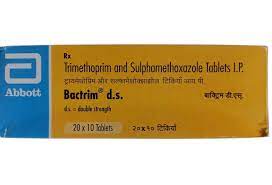
Bactrim DS, also known as co-trimoxazole, is a prescription medication that combines two antibiotics: sulfamethoxazole and trimethoprim. It is commonly used to treat various bacterial infections in the body. This article will provide an overview of the uses, benefits, side effects, and warnings associated with Bactrim DS.
Uses
Bactrim DS is primarily prescribed for the treatment of:
- Urinary tract infections (UTIs): Bactrim DS is commonly used to combat UTIs caused by susceptible strains of bacteria.
- Respiratory tract infections: It may be prescribed to treat respiratory tract infections, such as bronchitis or pneumonia.
- Traveler’s diarrhea: Bactrim DS can be effective in treating bacterial infections that cause traveler’s diarrhea.
- Ear infections: It is occasionally prescribed for ear infections, particularly those caused by susceptible bacteria.
- Gastrointestinal infections: Bactrim DS may be used to treat gastrointestinal infections caused by certain bacteria.
Benefits
Bactrim DS offers several benefits when used as directed by a healthcare professional. These include:
- Effective against a wide range of bacterial infections: Bactrim DS is known for its broad-spectrum activity, making it useful in treating various types of infections.
- Convenience: Being a combination medication, Bactrim DS simplifies treatment by providing two antibiotics in a single tablet.
- Proven track record: Bactrim DS has been widely used for decades and has proven its efficacy in treating bacterial infections.
Side Effects
Like any medication, Bactrim DS can cause side effects in some individuals. Common side effects may include:
- Nausea and vomiting: Some people may experience gastrointestinal discomfort such as nausea and vomiting.
- Allergic reactions: In rare cases, individuals may develop an allergic reaction to Bactrim DS, leading to symptoms such as rash, itching, or swelling.
- Headache: Headaches may occur while taking Bactrim DS, although they are usually mild and temporary.
- Dizziness: Some individuals may feel dizzy or lightheaded after taking this medication.
- Photosensitivity: Bactrim DS can increase sensitivity to sunlight, causing sunburn or skin rashes when exposed to UV rays.
If any of these side effects persist or worsen, it is important to consult a healthcare professional.
Warnings
Before taking Bactrim DS, it is crucial to consider the following warnings:
- Allergic reactions: Individuals with known allergies to sulfamethoxazole, trimethoprim, or any sulfa drugs should avoid Bactrim DS.
- Kidney or liver disease: Bactrim DS may require dosage adjustments or precautions in individuals with impaired kidney or liver function.
- Pregnancy and breastfeeding: Bactrim DS should be used during pregnancy or breastfeeding only if the benefits outweigh the potential risks to the fetus or infant.
- Drug interactions: Bactrim DS can interact with certain medications, so it is important to inform your healthcare provider about all the medications you are currently taking.
Always follow your healthcare professional’s instructions and read the medication’s package insert for complete warnings and precautions.
FAQs
No, Bactrim DS is an antibiotic effective against bacterial infections and is not effective against viral infections.
Bactrim DS is generally safe for use in children, but the dosage may need to be adjusted based on their age and weight. Consult a pediatrician for appropriate dosing.
It is essential to complete the full course of treatment prescribed by your healthcare professional, even if you start feeling better before completing the medication. Stopping prematurely may lead to antibiotic resistance.
It is generally recommended to avoid alcohol while taking Bactrim DS as it may increase the risk of certain side effects, such as nausea and dizziness.
Bactrim DS can be taken with or without food. However, it is important to stay hydrated to prevent potential side effects like crystalluria (formation of crystals in the urine).