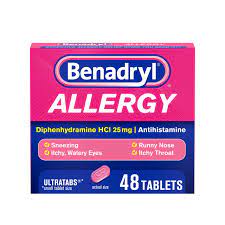
Benadryl Allergy Relief is a common over-the-counter medicine used to treat symptoms of allergies. It contains an active ingredient called diphenhydramine, which is an antihistamine that blocks the effects of histamine in the body. This article will discuss the Uses, Benefits, Side Effects, and Warnings of Benadryl Allergy Relief.
Uses
Benadryl Allergy Relief is primarily used to treat symptoms of allergies, such as hay fever, dust allergies, and pet allergies. It can also be used to treat symptoms of other conditions, such as:
– Cold and flu symptoms
– Hives and rashes
– Insect bites and stings
– Itchy eyes
– Motion sickness
Benadryl Allergy Relief is available in different forms, such as tablets, capsules, liquids, and creams. The form you choose depends on the type of symptoms you have.
Benefits
The benefits of Benadryl Allergy Relief are numerous. It affords quick relief from symptoms of allergies, such as sneezing, runny nose, and itchy eyes. Due to the active ingredient, diphenhydramine, it has a sedative effect that helps you sleep better.
Benadryl Allergy Relief is available over-the-counter, which means you do not need a prescription to obtain it. It is also affordable and easily accessible.
Side Effects
Like most medications, Benadryl Allergy Relief has some side effects. The most common side effects include:
– Drowsiness
– Dry mouth
– Dizziness
– Nausea
– Blurred vision
– Constipation
These side effects are usually mild and do not last long. However, in some rare cases, Benadryl Allergy Relief can cause serious side effects. These include:
– Allergic reaction
– Skin rash
– Difficulty breathing
– Swelling of the face, tongue, or throat
If you experience any of these symptoms, stop taking Benadryl Allergy Relief immediately and seek medical attention.
Warnings
Before taking Benadryl Allergy Relief, it is important to read the instructions on the packaging carefully. Make sure you understand the dosage and how often to take it. If you are not sure, consult your pharmacist or doctor.
If you have any medical conditions, such as heart disease, liver disease, or kidney disease, you should also consult your doctor before taking Benadryl Allergy Relief. Some medications can interact with Benadryl Allergy Relief and cause adverse effects. Therefore, inform your doctor or pharmacist of any other medicines you are taking before starting Benadryl Allergy Relief.
Benadryl Allergy Relief is not recommended for children under the age of 6 years. Pregnant or breastfeeding mothers should also avoid taking Benadryl Allergy Relief unless their doctor prescribes it.
FAQs
You should follow the instructions on the packaging carefully. Generally, you should take the medication every 4 to 6 hours as needed.
No, you should not drive or operate heavy machinery as the medication can cause drowsiness and impair your ability to concentrate.
No, Benadryl Allergy Relief is not addictive. However, it can cause drowsiness, which may be mistaken for addiction.
You should avoid drinking alcohol while taking Benadryl Allergy Relief, as it can increase the drowsiness caused by the medication.
You should consult your doctor or pharmacist before taking Benadryl Allergy Relief with other medications, as it can interact with some medicines and cause adverse effects.






