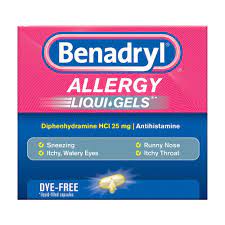
Benadryl Dye Free Allergy is a commonly used over-the-counter medication that provides relief from various allergy symptoms. It contains the active ingredient diphenhydramine, which is an antihistamine that helps to alleviate itching, sneezing, runny nose, watery eyes, and other allergic reactions. This article will discuss the uses, benefits, side effects, and warnings associated with Benadryl Dye Free Allergy.
Uses
Benadryl Dye Free Allergy is primarily used to relieve symptoms caused by allergies, such as hay fever, pet allergies, and dust allergies. It works by blocking the effects of histamine, a substance produced by the body during an allergic reaction. By doing so, it helps to reduce itching, sneezing, and other bothersome symptoms.
In addition to allergies, Benadryl Dye Free Allergy can also be used to treat symptoms of the common cold, such as nasal congestion and coughing. However, it is important to note that this medication does not cure the underlying cause of these symptoms, but rather provides temporary relief.
Benefits
The main benefit of using Benadryl Dye Free Allergy is its effectiveness in relieving allergy symptoms. Many individuals suffer from seasonal allergies or other allergic reactions that can significantly impact their quality of life. By taking Benadryl Dye Free Allergy, they can experience relief from symptoms such as itching, sneezing, and watery eyes, allowing them to go about their daily activities more comfortably.
Furthermore, Benadryl Dye Free Allergy is available without a prescription, making it easily accessible for individuals seeking immediate relief from their allergy symptoms. It is also suitable for both adults and children, although dosages may vary based on age and weight.
Side Effects
While Benadryl Dye Free Allergy is generally safe and well-tolerated, some individuals may experience certain side effects. These side effects can include drowsiness, dizziness, dry mouth, blurred vision, and gastrointestinal disturbances such as constipation or upset stomach. These side effects are usually mild and temporary.
In rare cases, more severe side effects may occur, such as difficulty urinating, rapid heartbeat, or allergic reactions. If any of these occur, it is important to seek medical attention immediately. It is also crucial to note that alcohol can intensify the drowsiness caused by Benadryl Dye Free Allergy, so it is advisable to avoid alcohol consumption while taking this medication.
Warnings
Before using Benadryl Dye Free Allergy, it is essential to take certain precautions and be aware of potential warnings. Individuals who have a known allergy or hypersensitivity to diphenhydramine or other antihistamines should avoid using this medication. It is also important to disclose any pre-existing medical conditions, such as asthma, glaucoma, or enlarged prostate, to your healthcare provider before starting this treatment.
Additionally, Benadryl Dye Free Allergy may interact with certain medications, including sedatives, tranquilizers, and monoamine oxidase inhibitors (MAOIs). This can potentially lead to adverse effects or reduce the effectiveness of either medication. Therefore, it is essential to inform your healthcare provider about all the medications you are currently taking to avoid any potential drug interactions.
Furthermore, pregnant and breastfeeding women should consult their healthcare provider before using Benadryl Dye Free Allergy, as the safety of this medication during pregnancy and lactation has not been fully established.
FAQs
While Benadryl Dye Free Allergy is generally safe for individuals with asthma, it is advisable to consult your healthcare provider before using this medication to ensure it is suitable for your specific condition.
Yes, Benadryl Dye Free Allergy is suitable for children. However, it is important to follow the age-specific dosage instructions provided on the packaging or consult a pediatrician before administering the medication to a child.
Benadryl Dye Free Allergy can cause drowsiness and dizziness, which may impair your ability to drive or operate machinery safely. It is advisable to avoid such activities until you know how this medication affects you.
The onset of action for Benadryl Dye Free Allergy varies among individuals but generally occurs within 30 minutes to an hour after taking the medication. However, it is important to note that individual response and symptom relief may vary.






