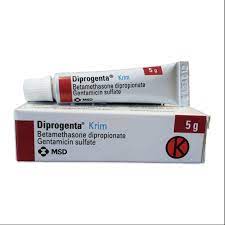
Betamethasone Dipropionate Topical is a medication used to treat various skin conditions such as eczema, psoriasis, dermatitis, and allergies. It belongs to a group of drugs called corticosteroids, which work by reducing inflammation and suppressing the immune system. This article will explore the uses, benefits, side effects, and warnings associated with Betamethasone Dipropionate Topical.
Uses
Betamethasone Dipropionate Topical is primarily used to relieve itching, redness, swelling, and other symptoms associated with certain skin conditions. It can help reduce inflammation and irritation caused by eczema, psoriasis, and dermatitis. This medication is also effective in treating allergic reactions on the skin, such as hives or rashes.
Benefits
The use of Betamethasone Dipropionate Topical offers several benefits to individuals suffering from skin conditions. Some of the key advantages include:
1. Reduced inflammation: Betamethasone Dipropionate Topical helps to alleviate inflammation, redness, and swelling associated with skin conditions, providing relief from discomfort.
2. Itching relief: This medication effectively reduces itching, a common symptom of eczema and psoriasis, providing immediate relief to patients.
3. Improved skin appearance: By reducing redness, swelling, and other visible symptoms, Betamethasone Dipropionate Topical can enhance the overall appearance of the skin.
Side Effects
While Betamethasone Dipropionate Topical is generally safe when used as directed, it may cause some side effects. These side effects are usually mild and temporary. Common side effects include:
1. Skin irritation: Some individuals may experience mild irritation, burning, or stinging at the application site. This usually subsides within a few minutes or hours.
2. Dryness or peeling: Betamethasone Dipropionate Topical may cause dryness or peeling of the skin, especially if used for an extended period. It is advised to moisturize the treated area regularly.
3. Thinning of the skin: Long-term use of this medication may lead to skin thinning, making it more susceptible to bruising or tearing. It is important to follow the prescribed dosage and duration to minimize this risk.
4. Allergic reactions: Although rare, some individuals may experience an allergic reaction to Betamethasone Dipropionate Topical. Symptoms may include rash, itching, swelling, dizziness, or trouble breathing. Seek immediate medical attention if these symptoms occur.
Warnings
Before using Betamethasone Dipropionate Topical, it is crucial to consider certain warnings and precautions:
1. Avoid contact with eyes: This medication should not be applied to the eyes or around the eye area. In case of accidental contact, rinse thoroughly with water.
2. Not for long-term use: Betamethasone Dipropionate Topical is generally prescribed for short-term use. Prolonged use may lead to skin thinning, increased absorption into the bloodstream, and potential systemic side effects. Follow your doctor’s instructions carefully.
3. Not for open wounds: Do not apply this medication to open wounds, broken skin, or infected areas. It is intended for intact skin only.
4. Interactions with other medications: Inform your healthcare provider about all the medications, including over-the-counter drugs and herbal supplements, that you are taking. Some medications may interact with Betamethasone Dipropionate Topical, potentially affecting its effectiveness or increasing the risk of side effects.
5. Pregnancy and breastfeeding: Consult your doctor before using this medication if you are pregnant, planning to become pregnant, or breastfeeding. They will weigh the potential risks and benefits to determine if it is safe for use.
FAQs
No, this medication is not indicated for acne treatment. It is primarily used for certain skin conditions such as eczema, psoriasis, dermatitis, and allergies.
The time it takes to see results can vary depending on the severity of the condition being treated. Improvement may be seen within a few days, but it is important to follow the prescribed treatment duration for optimal results.
Betamethasone Dipropionate Topical is generally not recommended for use on the face unless specifically prescribed by a healthcare professional. Facial skin is more sensitive, and prolonged use may lead to side effects.
Yes, you can use moisturizers or cosmetics as long as they do not contain any ingredients that may interact with the medication. It is advisable to consult your doctor or pharmacist for specific recommendations.
Abruptly stopping the use of this medication may cause a flare-up of symptoms. It is important to follow the prescribed treatment duration and gradually reduce the frequency as directed by your healthcare provider.






