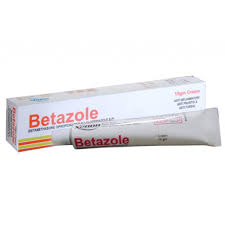
When it comes to managing skin conditions, Betamethasone Dipropionate has become a trusted option for many individuals. This medication is a topical corticosteroid that is used to treat a variety of skin issues. In this article, we will delve into the uses, benefits, side effects, and warnings of Betamethasone Dipropionate.
Uses
Betamethasone Dipropionate is primarily used to relieve itching, redness, and inflammation associated with various skin conditions. Some of the common conditions it is used for include:
- Eczema: This chronic inflammatory skin condition often causes red, itchy, and scaly patches on the skin.
- Psoriasis: It is a long-lasting autoimmune disease characterized by raised, inflamed, and scaly patches on the skin.
- Atopic Dermatitis: This condition results in itchy and inflamed skin, often starting in childhood.
- Seborrheic Dermatitis: It leads to red, itchy, and flaky skin, commonly affecting the scalp, face, and chest.
- Contact Dermatitis: Allergic reactions to certain substances can cause redness, itching, and inflammation.
Benefits
Betamethasone Dipropionate offers several benefits for individuals dealing with these skin conditions. Some of the key advantages include:
- Reduced Inflammation: Betamethasone Dipropionate effectively reduces inflammation, redness, and swelling in affected areas, providing relief from discomfort.
- Itch Relief: One of the most common symptoms of skin conditions is itching. This medication helps alleviate itching and provides a soothing effect.
- Enhanced Skin Appearance: By reducing inflammation and promoting healing, Betamethasone Dipropionate helps improve the appearance of the skin, resulting in a smoother and healthier-looking complexion.
Side Effects
While Betamethasone Dipropionate can be highly beneficial, it may also cause certain side effects. These side effects are usually mild and temporary. However, if they persist or worsen, it is advisable to seek medical attention. Some common side effects include:
- Burning or stinging sensation at the application site
- Skin dryness or irritation
- Redness or rash
- Thinning of the skin
- Pigmentation changes
It is important to follow the prescribed dosage and not exceed the recommended duration of use to minimize the risk of these side effects.
Warnings
Prior to using Betamethasone Dipropionate, it is crucial to take note of the following warnings:
- Not for Ongoing Use: Betamethasone Dipropionate is not meant for long-term use. Prolonged or excessive use can lead to skin thinning, increased absorption, and potential systemic side effects.
- Children and Infants: While the medication is generally safe for adults, it is essential to consult a healthcare professional before using it on children or infants, as their skin is more sensitive.
- Avoid Excessive Application: Applying larger amounts of Betamethasone Dipropionate can increase the risk of side effects. It is advisable to follow the prescribed dosage and apply only a thin layer to the affected area.
- Avoid Contact with Eyes: Ensure the medication does not come into contact with your eyes, as it can cause irritation and complications.
- Tapering Off: When discontinuing Betamethasone Dipropionate, it is necessary to gradually reduce the frequency of application to prevent rebound flare-ups.
FAQs
Yes, Betamethasone Dipropionate can be used on the face, but it should be applied cautiously, as facial skin can be more sensitive. It is recommended to consult a healthcare professional before applying it to the face.
It is generally advisable to avoid covering the area after applying Betamethasone Dipropionate, unless specifically instructed by your healthcare provider. Covering the area may increase absorption and the likelihood of side effects.
The time it takes for Betamethasone Dipropionate to work may vary depending on the individual and the specific condition being treated. In many cases, improvements can be seen within a few days of regular use.
If you are pregnant or planning to become pregnant, it is important to discuss the use of Betamethasone Dipropionate with your healthcare provider. They will weigh the potential benefits against any potential risks to you and your baby.
It is important to inform your healthcare provider about all current medications, including topical creams and oral medications, as they may interact with Betamethasone Dipropionate. Your healthcare provider will guide you on the appropriate use and potential interactions.






