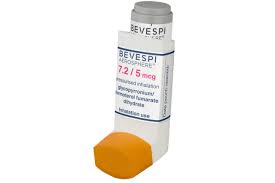
Bevespi is a brand name of a combination medication that contains glycopyrrolate and formoterol. This medication is usually used to treat chronic obstructive pulmonary disease (COPD). The two drugs included in Bevespi work together to open the airways, making it easier to breathe.
Uses of Bevespi
Bevespi is used to treat the symptoms of COPD, including chronic bronchitis and emphysema. COPD is a progressive lung disease that makes it difficult to breathe. Symptoms of COPD include shortness of breath, coughing, wheezing, and chest tightness. Bevespi helps to open the airways, making it easier to breathe.
Benefits of Bevespi
The benefits of Bevespi are that it can help improve lung function and reduce COPD symptoms. Studies have shown that Bevespi can help improve lung function in people with COPD by opening the airways and reducing inflammation. This can help people with COPD breathe easier and improve their quality of life.
Side Effects of Bevespi
Like any medication, Bevespi can cause side effects. The most common side effects of Bevespi include:
- Headache
- Nausea
- Diarrhea
- Back pain
- Coughing
- Stuffy nose
Less common side effects of Bevespi include:
- Chest pain
- Irregular heartbeat
- High blood sugar
- Low potassium levels
If you experience any of these side effects, contact your healthcare provider right away.
Warnings for Bevespi
Bevespi should not be used if you are allergic to glycopyrrolate, formoterol, or any other ingredients in the medication. Before taking Bevespi, tell your healthcare provider if you have any medical conditions, including:
- Heart problems
- High blood pressure
- Diabetes
- Thyroid problems
- Seizures
- Liver or kidney problems
If you are pregnant or breastfeeding, talk to your healthcare provider before taking Bevespi.
FAQs about Bevespi
Bevespi contains two drugs, glycopyrrolate and formoterol, which work together to open the airways and reduce inflammation in the lungs.
Bevespi is used to treat chronic obstructive pulmonary disease (COPD) symptoms, including shortness of breath, coughing, and chest tightness.
The most common side effects of Bevespi include headache, nausea, diarrhea, and back pain. Less common side effects include chest pain, irregular heartbeat, high blood sugar, and low potassium levels.
If you are pregnant or breastfeeding, talk to your healthcare provider before taking Bevespi.
If you experience any side effects from Bevespi, contact your healthcare provider right away. They can help determine if the medication is right for you and may recommend a different treatment option.






