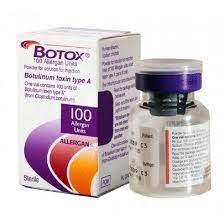
Botox injection, also known as botulinum toxin type A, is a medical procedure that involves injecting a neurotoxic protein derived from the bacterium Clostridium botulinum. While it is commonly associated with cosmetic purposes such as reducing wrinkles, Botox injections have a wide range of uses in the medical field. This article explores the various uses, benefits, side effects, and warnings associated with Botox injection.
Uses
Botox injection has numerous medical applications, including:
- Treating muscle spasms: Botox injections are commonly used to alleviate muscle spasms caused by conditions such as cervical dystonia (severe neck muscle contractions), blepharospasm (uncontrollable eyelid twitching), and strabismus (crossed eyes).
- Managing chronic migraines: Botox injections have been approved by the FDA for the treatment of chronic migraines in adults. The injections are administered every 12 weeks to help reduce headache frequency and severity.
- Reducing excessive sweating: Botox can be used to treat hyperhidrosis, a condition characterized by excessive sweating that can significantly impact a person’s quality of life. The injections help block the chemical signals responsible for sweat production.
- Controlling overactive bladder: Botox injections can be used to treat overactive bladder symptoms, such as frequent urination and urgency, in individuals who do not respond to or cannot tolerate other medications.
- Managing eye conditions: Botox injections can be beneficial in treating various eye disorders, including strabismus, blepharospasm, and even certain cases of lazy eye.
Benefits
Botox injections offer several benefits, depending on the specific condition being treated. Some of the advantages include:
- Non-surgical: Botox injections are a non-invasive alternative to surgical procedures, making them a more attractive option for individuals who prefer minimal downtime and fewer risks.
- Effective: In many cases, Botox injections have proven to be highly effective in managing symptoms and providing relief from various medical conditions.
- Quick procedure: The injection itself usually takes only a few minutes, making it a convenient treatment option.
- Minimal side effects: While Botox injections do have potential side effects, they are generally mild and temporary, with most individuals able to resume their daily activities immediately after the procedure.
Side Effects
Although Botox injections are generally safe, there are potential side effects to be aware of. Common side effects include:
- Injection site pain or bruising: Mild discomfort or bruising may occur at the injection site, but it usually subsides within a few days.
- Headache: Some individuals may experience a mild headache after receiving Botox injections, but it is usually temporary.
- Flu-like symptoms: In rare cases, individuals may experience flu-like symptoms, such as fatigue, muscle weakness, or fever.
- Drooping eyelids or eyebrows: Temporary drooping of the eyelids or eyebrows may occur, but it typically resolves on its own within a few weeks.
It is essential to consult a healthcare professional to discuss potential risks and side effects before undergoing Botox injections.
Conclusion
In conclusion, Botox injections offer a wide range of uses in the medical field and can provide significant benefits for various conditions. However, it is crucial to consult with a qualified healthcare professional to determine if Botox injections are suitable for your specific needs and to discuss any potential risks or side effects.
Warnings
While Botox injections have various medical applications, there are certain warnings and precautions to consider:
- Allergies: Individuals with known allergies to any of the ingredients in Botox should avoid receiving injections.
- Pregnancy and breastfeeding: The safety of Botox injections during pregnancy or while breastfeeding has not been established. It is best to avoid the procedure during these periods.
- Neuromuscular disorders: Individuals with certain neuromuscular disorders, such as myasthenia gravis or Lambert-Eaton syndrome, should avoid Botox injections due to the risk of exacerbating their condition.
- Medication interactions: Inform your healthcare provider about any medications you are taking, as some medications may interact with Botox injections.
Frequently Asked Questions (FAQs)
The effects of Botox injections typically last between three to six months, depending on the condition being treated. Regular follow-up injections are required to maintain the desired results.
While the injections may cause mild discomfort, they are generally well-tolerated. Some healthcare providers may apply a topical numbing cream to minimize any potential pain.
No, Botox injections should only be administered by qualified healthcare professionals, such as dermatologists or plastic surgeons, who have received proper training in the procedure.
Botox injections can significantly reduce the appearance of wrinkles, but they may not completely eliminate them. The effectiveness of Botox injections for wrinkle reduction varies depending on individual factors.
While long-term risks are generally rare, prolonged and repeated use of Botox injections can lead to the development of antibodies, reducing the effectiveness of future treatments. It is important to follow the recommended dosage and frequency as prescribed by a healthcare professional.






