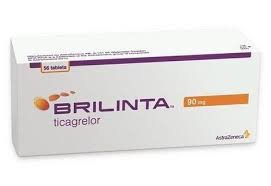
Brilinta, also known as ticagrelor, is a medication used to prevent serious cardiovascular events in individuals who have experienced acute coronary syndrome (ACS). The medication can reduce the risk of heart attack and stroke and is typically prescribed alongside aspirin. In this article, we’ll explore the uses, benefits, side effects, and warnings of Brilinta.
Uses
Brilinta is commonly used to prevent blood clots in individuals who have experienced ACS. ACS is a term used to refer to a group of heart conditions that occur as a result of a sudden blockage in one or more of the coronary arteries. ACS can lead to a heart attack or stroke if left untreated. Brilinta works by inhibiting platelet function, thus reducing the risk of blood clots.
Benefits
The primary benefit of taking Brilinta is that it can significantly reduce the risk of serious cardiovascular events in individuals who have experienced ACS. The medication is effective at preventing blood clots and reducing the likelihood of having a heart attack or stroke. It is also well-tolerated and has few side effects compared to other antiplatelet medications.
Side Effects
As with any medication, Brilinta comes with potential side effects. Common side effects of Brilinta include:
- Headache
- Dizziness
- Nausea
- Diarrhea
- Shortness of breath
- Easy bruising or bleeding
- Pain or discomfort in the chest
More serious side effects may include:
- Severe bleeding or hemorrhage
- Allergic reaction
- Liver disease
- Stroke
If you experience any of these symptoms after taking Brilinta, it’s important to seek medical attention immediately.
Warnings
There are a few important warnings to be aware of when taking Brilinta. The medication should not be taken if you have a history of bleeding or are currently experiencing bleeding. It is also important to tell your doctor if you are allergic to any medications, as Brilinta may cause an allergic reaction.
It’s important to tell your doctor if you have a history of stroke, liver disease, or kidney disease, as Brilinta may exacerbate these conditions. Additionally, Brilinta should not be taken with certain medications, such as blood thinners, as this can increase the risk of bleeding.
FAQs
Brilinta is typically taken twice daily, once in the morning and once in the evening.
It’s important to talk to your doctor if you have any allergies before taking Brilinta. In some cases, Brilinta may be safe to take even if you are allergic to aspirin.
Yes, dizziness is a common side effect of Brilinta. If you experience severe dizziness, it’s important to contact your doctor.
Yes, Brilinta can be taken with or without food.
The duration of Brilinta treatment may vary depending on your individual medical history and condition. It’s important to follow your doctor’s instructions and take the medication for as long as prescribed.