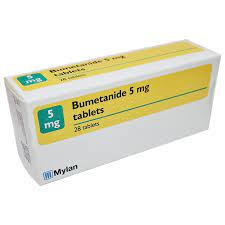
Bumetanide is a diuretic medication that is primarily prescribed to increase urine production, thus helping the body eliminate excess fluid. This medication is commonly used to treat edema, a condition caused by fluid retention, often occurring in heart, kidney, or liver disorders. Bumetanide is only available with a doctor’s prescription and should only be used under medical supervision. Like any medication, it is important to understand its uses, benefits, side effects, and warnings before taking it.
Uses
Bumetanide is used in the treatment of:
- Edema: Bumetanide helps reduce excess fluid accumulation in the body, particularly in patients suffering from congestive heart failure, kidney dysfunction, or liver cirrhosis.
Benefits
The benefits of using bumetanide include:
- Edema Relief: By increasing urine production, bumetanide helps the body eliminate the excess fluid that causes swelling, improving patients’ comfort and mobility.
- Cardiovascular Support: By reducing fluid overload, bumetanide can relieve stress on the heart and blood vessels, leading to improved cardiovascular health.
- Liver Function Improvement: In cases of liver cirrhosis, bumetanide can help decrease fluid accumulation in the abdomen, easing discomfort and potentially improving liver function.
Side Effects
Some potential side effects of bumetanide may include:
- Dizziness or lightheadedness
- Headache
- Upset stomach, diarrhea, or vomiting
- Increase in urination
- Dehydration
- Muscle cramps
- Low potassium levels
- Allergic reactions (rash, itching, swelling, difficulty breathing)
It is important to contact a healthcare professional if any of these side effects persist or worsen.
Warnings
Prior to using bumetanide, it is crucial to be aware of the following warnings:
- Allergy: Inform your doctor if you have a known allergy to bumetanide or any other diuretics before starting its use.
- Liver or Kidney Dysfunction: If you have liver or kidney problems, it may be necessary to adjust the dosage or consider alternative treatments. It is vital to inform your doctor about these conditions.
- Electrolyte Imbalance: Bumetanide can cause a decrease in potassium levels. If you are taking other medications that affect potassium levels or have conditions that might cause electrolyte imbalances (e.g., heart disease, liver disease), careful monitoring is necessary.
- Pregnancy and Breastfeeding: Bumetanide may not be recommended during pregnancy or breastfeeding. Consult your healthcare provider for guidance.
- Other Medications: Inform your doctor about any other medications you are currently taking to avoid potential drug interactions.
FAQs
Here are answers to some frequently asked questions about bumetanide:
Yes, bumetanide can cause dehydration as it increases urine production. It is advised to drink plenty of fluids while taking this medication and consult your doctor if you experience excessive thirst or dry mouth.
No, bumetanide is not intended for weight loss purposes. It should only be used under medical supervision for the conditions it is prescribed for.
The timing of bumetanide intake should be discussed with your doctor, as it may vary depending on your condition. However, it is generally advised to avoid taking it right before bedtime to prevent excessive nighttime urination.
It is essential to maintain a balanced diet while taking bumetanide. However, consult your doctor regarding specific dietary restrictions, especially related to potassium intake.
No, it is crucial to follow your doctor’s instructions regarding the use of bumetanide. Stopping the medication abruptly without medical guidance can lead to complications or a relapse of symptoms.
Always consult your healthcare provider for personalized guidance on the use of bumetanide and any other medications.