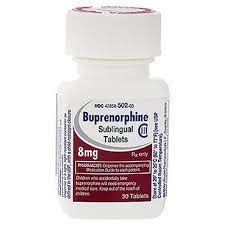
Buprenorphine Hcl Sublingual is a medication that is primarily used to treat opioid addiction. It belongs to a class of drugs known as opioid partial agonists, which work by binding to the same receptors in the brain as opioids, but with a less intense effect. This medication is typically administered under the tongue and is available in the form of sublingual tablets or films. It is important to understand the uses, benefits, side effects, and warnings associated with Buprenorphine Hcl Sublingual before considering its use.
Uses
Buprenorphine Hcl Sublingual is primarily prescribed for the treatment of opioid addiction. It helps to reduce withdrawal symptoms and cravings, making it easier for individuals to stop using opioids. This medication is often used as part of a comprehensive treatment program that includes counseling and behavioral therapy. Buprenorphine Hcl Sublingual can also be used for the management of moderate to severe pain in certain cases.
Benefits
The use of Buprenorphine Hcl Sublingual has several benefits. Firstly, it helps individuals overcome opioid addiction by reducing withdrawal symptoms and cravings, allowing them to focus on their recovery. This medication also has a lower risk of abuse compared to other opioids due to its partial agonist properties. Additionally, Buprenorphine Hcl Sublingual has a long duration of action, which means that it needs to be taken less frequently compared to other medications. This can improve medication adherence and overall treatment outcomes.
Side Effects
Like any medication, Buprenorphine Hcl Sublingual can cause side effects. Common side effects include constipation, nausea, vomiting, headache, dizziness, sweating, and drowsiness. These side effects are usually mild and temporary. However, if they persist or worsen, it is important to consult a healthcare professional. Serious side effects such as allergic reactions, difficulty breathing, jaundice, and mood changes are rare but require immediate medical attention. It is crucial to discuss all potential side effects with a healthcare provider before starting this medication.
Warnings
Buprenorphine Hcl Sublingual should be used with caution and under the supervision of a healthcare professional. It is important to disclose any medical conditions, especially liver or kidney disease, history of substance abuse, mental health disorders, or respiratory conditions, to the healthcare provider before starting this medication. Buprenorphine Hcl Sublingual may interact with other medications, including benzodiazepines, sedatives, and certain antidepressants. These interactions can increase the risk of serious side effects or respiratory depression. Pregnant or breastfeeding individuals should also consult a healthcare provider before using this medication, as it may harm the fetus or pass into breast milk.
FAQs
Yes, Buprenorphine Hcl Sublingual can be used for the management of moderate to severe pain in certain cases. However, the dosage and duration of use may differ from its use in opioid addiction treatment. It is important to follow the healthcare provider’s instructions and discuss pain management options.
The elimination half-life of Buprenorphine Hcl Sublingual is approximately 24 to 60 hours. It can take several days for the medication to be completely eliminated from the body. Factors such as individual metabolism and dosage may affect the duration.
While Buprenorphine Hcl Sublingual is an opioid medication, it has a lower risk of abuse and addiction compared to other opioids. Its partial agonist properties help reduce cravings and withdrawal symptoms, making it a useful tool in overcoming opioid addiction.
Buprenorphine Hcl Sublingual may cause drowsiness, dizziness, or impaired coordination. It is important to assess how the medication affects you before driving or operating machinery. If you experience any side effects that may impair your ability to perform these activities, it is best to avoid them.
No, it is not recommended to abruptly stop taking Buprenorphine Hcl Sublingual without medical supervision. Sudden discontinuation can lead to withdrawal symptoms. It is important to work with a healthcare provider to gradually reduce the dosage when discontinuing this medication.






