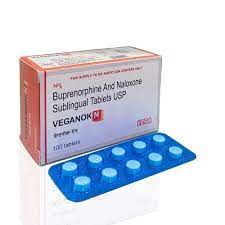
Buprenorphine Naloxone is a medication that combines two active ingredients, buprenorphine and naloxone. It is primarily prescribed for the treatment of opioid dependence, helping individuals overcome addiction to opioids such as heroin or prescription painkillers. This article provides an overview of the uses, benefits, side effects, and warnings associated with Buprenorphine Naloxone.
Uses
Buprenorphine Naloxone is used as part of a comprehensive treatment program for individuals addicted to opioids. It is administered to suppress withdrawal symptoms and reduce cravings, allowing patients to stabilize their lives and work towards recovery. This medication is available in the form of sublingual tablets or films that are placed under the tongue and dissolve.
Benefits
Buprenorphine Naloxone offers several benefits for individuals undergoing treatment for opioid dependence:
- Reduced cravings: Buprenorphine Naloxone helps to decrease the intensity and frequency of cravings, making it easier for patients to resist the temptation to use opioids.
- Withdrawal symptom management: It assists in managing and alleviating withdrawal symptoms that typically occur when opioids are discontinued.
- Suppression of opioid effects: Buprenorphine, the primary active ingredient, binds to opioid receptors in the brain, blocking the euphoric and sedative effects of opioids.
- Improved patient outcomes: Patients on Buprenorphine Naloxone are more likely to stay in treatment and reduce their illicit opioid use, leading to improved overall outcomes and quality of life.
Side Effects
Although Buprenorphine Naloxone is generally well-tolerated, it may cause some side effects. Common side effects include:
- Nausea or vomiting
- Headache
- Constipation or diarrhea
- Insomnia or drowsiness
- Excessive sweating
- Blurred vision
- Irregular heartbeat
These side effects are usually temporary and mild. However, it is important to consult a healthcare professional if they become persistent or severe. It is worth noting that not everyone experiences these side effects.
Warnings
While Buprenorphine Naloxone can be highly effective in treating opioid dependence, it is important to be aware of the following warnings:
- Allergic reactions: Some people may be allergic to Buprenorphine Naloxone. Signs of an allergic reaction include rash, itching, swelling, severe dizziness, or trouble breathing. If any of these symptoms occur, immediate medical attention should be sought.
- Sedation and dizziness: Buprenorphine Naloxone may cause drowsiness, dizziness, or impaired thinking. It is important to avoid driving or operating heavy machinery until the effects are known.
- Respiratory depression: The misuse of Buprenorphine Naloxone, especially when combined with other substances, may lead to respiratory depression, which can be life-threatening. It is crucial to take the medication exactly as prescribed.
- Interactions with other medications: Buprenorphine Naloxone may interact with certain medications, including sedatives, tranquilizers, and benzodiazepines. Inform your healthcare provider about all medications you are currently taking to avoid potential interactions.
- Pregnancy and breastfeeding: Buprenorphine Naloxone may have potential risks during pregnancy and breastfeeding. Consult a healthcare professional for guidance if you are pregnant, planning to become pregnant, or breastfeeding.
FAQs
Here are some frequently asked questions about Buprenorphine Naloxone:
Buprenorphine Naloxone is not considered addictive when used as prescribed in a supervised treatment program. Unlike other opioids, it produces a ceiling effect, meaning that higher doses do not lead to increased euphoria.
The duration of Buprenorphine Naloxone treatment varies per individual. It is recommended to work closely with a healthcare provider to determine the appropriate length of treatment based on your specific needs and goals.
No, suddenly stopping Buprenorphine Naloxone without proper medical guidance can lead to withdrawal symptoms. It is important to consult your healthcare provider and follow their instructions for tapering off the medication.
No, Buprenorphine Naloxone should be used as part of a comprehensive treatment program that includes counseling and support. It is crucial to address the psychological aspect of addiction along with medication-assisted treatment.
There are no specific dietary restrictions associated with Buprenorphine Naloxone. However, it is always recommended to maintain a healthy and balanced diet as part of overall well-being.
Buprenorphine Naloxone is a valuable medication in the treatment of opioid dependence. With proper use and under the guidance of healthcare professionals, it can help individuals regain control over their lives and achieve long-term recovery.






