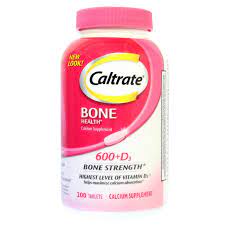
Calcium is an essential mineral that is necessary for many of our bodily functions. Our bones, teeth, and even our muscles rely on calcium to stay strong. For those who do not get enough calcium in their diet, supplements like Caltrate can be used to ensure that they are getting the recommended amount.
Uses
Caltrate is primarily used as a calcium supplement to help maintain bone health. It can also help prevent osteoporosis, a condition that weakens bones and makes them more susceptible to fractures. In addition to calcium, Caltrate also contains vitamin D, which helps the body absorb calcium in a more efficient way.
Benefits
The benefits of Caltrate are evident in individuals who are at risk of developing osteoporosis, including postmenopausal women and older men. Calcium and vitamin D supplements can help prevent bone loss and reduce the risk of fractures. Additionally, Caltrate may aid in the prevention of other health conditions, such as colon cancer and high blood pressure.
Side Effects
Like any medication, Caltrate may cause some side effects. The most common include constipation, bloating, and gas. Taking too much calcium can also lead to kidney stones or hypercalcemia, a condition where there is too much calcium in the blood. Symptoms of hypercalcemia may include nausea, vomiting, and confusion. If you experience any of these symptoms, you should speak to your doctor immediately.
Warnings
There are some precautions to keep in mind when taking Caltrate. Women who are pregnant or breastfeeding should speak to their healthcare provider before taking any supplements. Individuals who have a history of kidney disease or high levels of calcium in their blood should also avoid taking Caltrate. Additionally, it is important to follow the dosage instructions on the label as taking more than the recommended amount may cause harmful side effects.
FAQs
The recommended dosage for Caltrate may vary depending on a person’s age and medical history. It is important to follow the dosage instructions on the label or speak to your healthcare provider for more specific advice.
While calcium plays an important role in muscle health, there is insufficient evidence to suggest that taking Caltrate can alleviate muscle cramps.
Caltrate is not recommended for children unless instructed by a healthcare provider.
Taking too much calcium can increase the risk of developing kidney stones. It is important to follow the recommended dosage instructions on the label or speak to a healthcare provider for more specific advice.
The length of time it takes for Caltrate to work may vary depending on the individual and their medical history. It is important to speak with a healthcare provider regarding expected outcomes and to ensure that Caltrate is right for you.