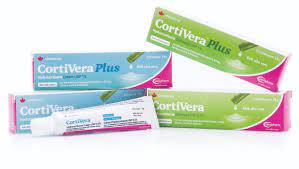
CortiVera is a medication used to treat inflammatory disorders such as allergies, lupus, and arthritis. The active ingredient of CortiVera is prednisone, which is a corticosteroid hormone. Corticosteroids are hormones that are naturally produced by the body to help regulate inflammation and immunity. However, synthetic corticosteroids such as prednisone have been developed to mimic the effects of these hormones. This article outlines the uses, benefits, side effects, and warnings of using CortiVera.
Uses of CortiVera
CortiVera is commonly prescribed to treat a range of inflammatory conditions. Some of the most common uses of this medication include:
1. Allergies: CortiVera is commonly used to treat seasonal allergies, allergic rhinitis, and allergic conjunctivitis. It can help to reduce inflammation, swelling, and redness associated with these conditions.
2. Asthma: CortiVera can help to manage acute asthma exacerbations and improve lung function in people with severe or persistent asthma.
3. Arthritis: CortiVera can help to reduce pain and inflammation associated with rheumatoid arthritis, osteoarthritis, and other forms of arthritis.
4. Lupus: CortiVera can help to manage the symptoms of lupus, such as joint pain, skin rashes, and fatigue.
Benefits of CortiVera
The benefits of using CortiVera are numerous, including:
1. Reducing inflammation: CortiVera is a potent anti-inflammatory medication that can help to reduce swelling, redness, and pain associated with inflammatory conditions.
2. Managing autoimmune disorders: CortiVera can help to manage autoimmune disorders such as lupus and rheumatoid arthritis by suppressing the immune system.
3. Improving breathing: CortiVera can help to improve breathing in people with severe asthma by reducing airway inflammation and narrowing.
4. Treating skin conditions: CortiVera can help to manage various skin conditions such as eczema, psoriasis, and hives.
Side Effects of CortiVera
While CortiVera can be beneficial for treating inflammatory conditions, it can also cause a range of side effects. Some of the most common side effects of CortiVera include:
1. Weakened immune system: CortiVera suppresses the immune system, which can increase the risk of infections.
2. Increased appetite and weight gain: CortiVera can cause an increase in appetite and weight gain, particularly when used for prolonged periods.
3. Mood changes: CortiVera can cause mood changes, including depression, anxiety, and irritability.
4. Osteoporosis: CortiVera can weaken bones, increasing the risk of osteoporosis.
Warnings for Using CortiVera
There are several warnings associated with the use of CortiVera, including:
1. Long-term use: CortiVera should not be used for prolonged periods as it can increase the risk of developing side effects such as cataracts, glaucoma, and diabetes.
2. Pre-existing conditions: CortiVera should be used with caution in people with pre-existing conditions such as diabetes, hypertension, and heart failure.
3. Interactions with other medications: CortiVera can interact with certain medications, such as anticoagulants and anticonvulsants, which can increase the risk of side effects.
4. Pregnancy and breastfeeding: CortiVera should be used with caution in pregnant or breastfeeding women, as it can cross the placenta or milk and affect the developing fetus or newborn.
FAQs:
No. It is important to gradually reduce the dose of CortiVera over time to avoid withdrawal symptoms such as fatigue, joint pain, and muscle weakness.
No. Drinking alcohol while taking CortiVera can increase the risk of stomach ulcers and bleeding.
Yes. CortiVera can increase blood pressure in some people, particularly when used for prolonged periods.
It is important to check with your healthcare provider before taking any over-the-counter medications while on CortiVera, as they can interact with each other, increasing the risk of side effects.
No. CortiVera is not an anti-cancer medication and should not be used to treat cancer.






