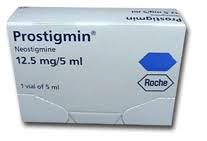
Prostigmin, also known as neostigmine, is a medication that is prescribed to help the communication between nerves and muscles. It is commonly used to treat diseases and conditions that affect muscle function such as myasthenia gravis, a rare autoimmune disorder, and also to restore bowel function after surgery. This article will discuss Prostigmin’s uses, benefits, side effects, and warnings.
Uses
Prostigmin is used to treat a variety of conditions related to muscle function. It is commonly used to treat myasthenia gravis, a rare autoimmune disorder where the body’s immune system attacks the receptors that control muscle movement causing weakness, fatigue, and other symptoms.
Additionally, Prostigmin is used to treat bowel dysfunction after surgery, a condition where the patient is unable to move their bowels post-surgery due to weakened intestines. This medication is also used in urinary retention and can help restore normal bladder function.
Benefits
Prostigmin works by inhibiting the breakdown of acetylcholine, a neurotransmitter that plays a crucial role in muscle movement. This helps to improve muscle strength and function in patients with myasthenia gravis or weakened bowel and bladder function.
The effects of Prostigmin occur rapidly, within 5 to 15 minutes, and last for several hours. The medication can also be used as an antidote for certain muscle relaxants used during surgery.
Side Effects
As with any medication, Prostigmin has potential side effects, though not everyone will experience them and some may be more severe than others. The most common side effects include:
– Nausea
– Vomiting
– Diarrhea
– Abdominal cramps
– Increased saliva production
– Sweating
– Twitching
– Headache
It’s important to seek medical attention if any of these symptoms are severe or persistent. Additionally, patients may experience more serious side effects such as difficulty breathing, chest pain, confusion, and seizures. If any of these symptoms occur, patients should immediately seek medical attention.
Warnings
Before starting Prostigmin, patients should inform their healthcare provider if they have a history of heart disease, epilepsy, asthma, or kidney disease. The medication may interact with other medications such as blood thinners and other muscle relaxants, so patients should inform their healthcare provider of all the medications they are taking.
Prostigmin should not be used by patients who are allergic to the medication or its ingredients. Additionally, pregnant or breastfeeding patients should consult their healthcare provider before taking Prostigmin.
FAQs
Prostigmin is used to treat a variety of conditions related to muscle function, including myasthenia gravis, weakened bowel and bladder function, and as an antidote to certain muscle relaxants used during surgery.
Prostigmin works by inhibiting the breakdown of acetylcholine, a neurotransmitter that plays a crucial role in muscle movement. This helps to improve muscle strength and function in patients with myasthenia gravis or weakened bowel and bladder function.
The most common side effects of Prostigmin include nausea, vomiting, diarrhea, abdominal cramps, increased saliva production, sweating, twitching, and headache. More serious side effects such as difficulty breathing, chest pain, confusion, and seizures may occur in some patients.
Prostigmin should not be used by patients who are allergic to the medication or its ingredients. Additionally, pregnant or breastfeeding patients should consult their healthcare provider before taking Prostigmin.
Prostigmin may interact with other medications such as blood thinners and other muscle relaxants, so patients should inform their healthcare provider of all the medications they are taking before starting Prostigmin.






 improves muscle strength in myasthenia gravis. Review its uses, dosage, side effects and important safety warnings.)