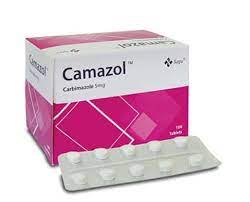
When it comes to our overall well-being, it is essential to stay informed about the medications we consume. One such medication gaining popularity in recent years is Cama. This article aims to provide a comprehensive understanding of Cama, including its uses, benefits, side effects, and warnings.
Uses
Cama is a prescription medication primarily used to treat chronic pain and inflammation. It belongs to a class of drugs known as nonsteroidal anti-inflammatory drugs (NSAIDs). The active ingredient in Cama, known as camadol, works by reducing the production of certain chemicals in the body that cause pain and inflammation.
Beyond its pain-relieving properties, Cama has also been prescribed for the management of mild to moderate depression and anxiety disorders. However, it’s important to note that Cama should only be used as directed by a healthcare professional.
Benefits
The primary benefit of Cama is its ability to alleviate pain and reduce inflammation. It can provide relief for individuals suffering from conditions such as arthritis, fibromyalgia, and musculoskeletal injuries. By targeting the root cause of the pain, Cama helps individuals regain their mobility and improve their quality of life.
In addition to its pain-relieving properties, Cama has shown promising results in managing symptoms of depression and anxiety. It helps regulate neurotransmitters in the brain, providing a sense of calm and well-being for those struggling with these mental health conditions.
Side Effects
While Cama can be highly beneficial, it is important to be aware of potential side effects. Common side effects of Cama include nausea, dizziness, drowsiness, and constipation. These side effects are typically mild and subside as the body adjusts to the medication. However, if they persist or worsen, it is crucial to consult a healthcare professional.
In rare cases, more severe side effects may occur, such as allergic reactions, liver or kidney problems, and gastrointestinal bleeding. If any of these symptoms manifest, immediate medical attention should be sought.
Warnings
Prior to starting Cama, it is important to inform your healthcare provider about any existing medical conditions or allergies. Additionally, it is vital to disclose all other medications, including over-the-counter drugs and supplements, as they may interact unfavorably with Cama.
Cama should not be taken by individuals with a history of stomach ulcers or bleeding, as it can exacerbate these conditions. It is also contraindicated for individuals with severe liver or kidney impairment. Pregnant or breastfeeding individuals should consult their healthcare provider before using Cama, as its effects on fetal development and nursing infants are yet to be fully understood.
Conclusion
In conclusion, Cama is a medication used primarily for pain relief and inflammation. It can provide numerous benefits, but it is essential to be aware of potential side effects and follow all warnings provided by healthcare professionals. By staying informed and seeking medical guidance, individuals can make well-informed decisions regarding their health.
FAQs
Can I take Cama without a prescription?
No, Cama is a prescription medication and should only be taken under the guidance of a healthcare professional.
How long does it take for Cama to start working?
The onset of action for Cama varies from individual to individual. It typically starts working within 30 minutes to an hour of consumption.
Can Cama be addictive?
Cama has a low potential for addiction when used as directed. However, individuals with a history of substance abuse should exercise caution and closely follow their healthcare provider’s instructions.
Are there any food or drug interactions with Cama?
Cama can interact with certain medications, such as blood thinners and antidepressants. It is crucial to disclose all medications, including over-the-counter drugs and supplements, to your healthcare provider.
Can I consume alcohol while taking Cama?
It is advisable to avoid alcohol while taking Cama, as it can increase the risk of side effects such as dizziness and drowsiness.






