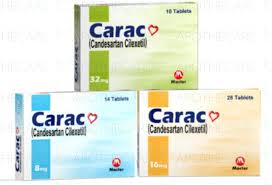
Carac Topical is a prescription medication that belongs to the class of drugs known as anti-neoplastic agents. It is primarily used for the treatment of certain types of skin cancer, including superficial basal cell carcinoma and actinic keratosis. Carac Topical contains the active ingredient fluorouracil, which works by inhibiting the growth of abnormal cells on the skin’s surface.
Uses
Carac Topical is commonly prescribed by dermatologists for the following uses:
1. Superficial Basal Cell Carcinoma: Carac Topical is an effective treatment option for superficial basal cell carcinoma, a common form of skin cancer. It is typically used when surgical interventions are not feasible or desired by the patient.
2. Actinic Keratosis: Actinic keratosis refers to precancerous growths that develop due to prolonged sun exposure. Carac Topical can effectively treat actinic keratosis by targeting and eliminating the abnormal cells, reducing the risk of progression to skin cancer.
Benefits
The use of Carac Topical offers several benefits, including:
1. Non-Invasive Treatment: Carac Topical provides a non-invasive alternative to surgical procedures for the treatment of certain skin cancers and precancerous lesions.
2. Convenient Application: Carac Topical is applied topically to the affected area, making it a convenient treatment option that can be easily incorporated into a patient’s daily routine.
3. Targeted Action: The active ingredient in Carac Topical specifically targets abnormal skin cells, sparing healthy skin tissue from potential damage.
Side Effects
While Carac Topical is generally well-tolerated, it may cause some side effects. Common side effects include:
1. Skin Irritation: Mild to moderate skin irritation, such as redness, itching, and burning, is a common side effect of Carac Topical. This usually resolves within a few weeks of treatment.
2. Skin Dryness: Some patients may experience dryness or peeling of the skin at the application site. It is recommended to use a moisturizer to alleviate this side effect.
3. Photosensitivity: Carac Topical may increase the skin’s sensitivity to sunlight. It is advisable to avoid excessive sun exposure and use sunscreen while undergoing treatment.
4. Skin Discoloration: Temporary changes in skin color, including darkening or lightening of the treated area, may occur during Carac Topical therapy. These changes generally resolve after completion of treatment.
Warnings
Before using Carac Topical, it is important to consider the following warnings:
1. Pregnancy and Breastfeeding: Carac Topical should not be used during pregnancy or while breastfeeding, as it may cause harm to the fetus or nursing infant.
2. Allergy: Individuals with a known hypersensitivity to fluorouracil or any other ingredient in Carac Topical should avoid its use.
3. Eye Contact: Carac Topical should not come into contact with the eyes, as it may cause severe eye irritation. In case of accidental eye exposure, it is important to rinse thoroughly with water and seek medical attention.
4. Immunosuppression: Patients with compromised immune systems should exercise caution when using Carac Topical, as it may affect the body’s ability to fight infections.
5. Interactions: Carac Topical may interact with certain medications, so it is important to inform your healthcare provider about all the medications you are currently taking.
FAQs
Carac Topical is primarily used for superficial basal cell carcinoma and actinic keratosis. Its efficacy for other types of skin cancer may vary, and you should consult with your dermatologist for appropriate treatment options.
The duration of treatment with Carac Topical may vary depending on the condition being treated. Improvement is typically observed within a few weeks of starting treatment.
It is generally recommended to avoid applying makeup over the treated area while using Carac Topical. However, you can consult with your dermatologist for specific recommendations.
Mild to moderate skin irritation is a common side effect of Carac Topical. However, if the irritation becomes severe or persists, it is important to consult your healthcare provider.
The safety and efficacy of Carac Topical in children have not been established. It is best to consult a dermatologist for appropriate treatment options for pediatric patients.






