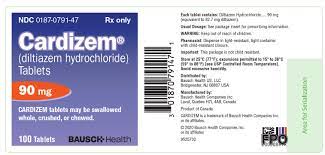
Cardizem is a prescription medication that is also known as Diltiazem. It is used for the treatment of high blood pressure and certain heart conditions. Cardizem belongs to a group of medications known as calcium channel blockers, which help to relax blood vessels and improve blood flow. Here is a detailed discussion of Cardizem’s benefits, uses, side effects, and warnings.
Uses of Cardizem
Cardizem is primarily used to treat hypertension or high blood pressure, angina, and arrhythmia. Hypertension occurs when blood pressure is above the normal range which eventually results in a range of cardiovascular and other complications like stroke, kidney damage, and heart attacks. Cardizem helps to reduce blood pressure by dilating blood vessels and allowing blood to flow through them more easily.
Angina is a type of chest pain that occurs due to the lack of oxygen-rich blood supply to the muscles of the heart. It is caused by narrowed coronary arteries that carry blood to the heart. Cardizem is used to treat angina by relaxing the blood vessels and reducing the demand for oxygen.
Arrhythmia is a heart condition where there is an irregular heartbeat that affects the normal rhythm of the heart. Cardizem is prescribed to treat arrhythmia by slowing down the rate at which the heart beats and restoring the normal rhythm.
Benefits of Cardizem
The following are some benefits of using Cardizem:
1. Reducing blood pressure: Cardizem helps to dilate the blood vessels and allows blood to flow through them more easily, which helps to reduce blood pressure.
2. Preventing heart attacks: Cardizem reduces the chance of having a heart attack by improving blood flow to the heart.
3. Treating angina: Cardizem relaxes the blood vessels and decreases the demand for oxygen, which helps to reduce the symptoms of angina.
4. Treating arrhythmia: Cardizem helps to slow down the heart rate, which assists in restoring the normal rhythm of the heart.
Side Effects of Cardizem
Like other medicines, Cardizem may cause some side effects, which include:
1. Nausea and vomiting
2. Headache
3. Dizziness
4. Flushing of the skin
5. Skin rash
6. Diarrhea or constipation
7. Difficulty breathing
8. Swelling of the face, lips, tongue, or throat
9. Loss of appetite or weight gain
It is important to consult a healthcare provider if any of these side effects persist or worsen.
Warnings of Cardizem
Cardizem usage is associated with the following warnings:
1. Allergy history: If a person has allergies to Cardizem, he or she should avoid using this medication.
2. Pregnancy: Cardizem can cause harm to unborn babies, so it is important to inform the doctor if planning to become pregnant or already pregnant.
3. Lactation: It is unclear if Cardizem exists in breast milk. Hence, consult a doctor before using Cardizem if breastfeeding.
4. Liver or kidney problems: Use of Cardizem if you have problems with the kidneys or liver, as it can worsen the condition.
5. Glaucoma: Cardizem can worsen the symptoms of glaucoma, so use with caution.
6. Alcohol: Drinking alcohol can increase the side effects of Cardizem, such as dizziness and drowsiness. Hence, avoid the use of alcohol while taking the medication.
7. Grapefruit: Grapefruit affects the metabolism of Cardizem, which can increase the risk of side effects. Hence, avoid grapefruit and grapefruit juice while taking Cardizem.
Frequently Asked Questions (FAQs)
Cardizem should be taken as prescribed by a doctor.
If a dose is missed, take it as soon as possible, unless the time for the next dose is closer. Then, skip the missed dose and take the next dose on time.
No, it is not advisable to drink alcohol while taking Cardizem as it can increase the risk of side effects.
The time taken for Cardizem to work may vary depending on the condition being treated, and the individual response to the medication.
Yes, Cardizem is safe for use in elderly people, but they may require lower doses due to age-related changes in the body.