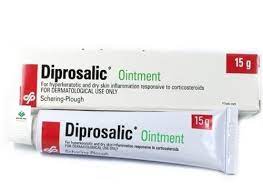
Diprosalic is a medication that is a combination of two active ingredients, Betamethasone Dipropionate and Salicylic Acid, used to treat various skin conditions like eczema, psoriasis, and dermatitis. This medication works as a synthetic corticosteroid that reduces inflammation, redness, and itching. Salicylic acid helps to exfoliate the skin and prevent clogging of pores.
Uses of Diprosalic
Diprosalic has many uses when it comes to skin conditions. This medication is used for the treatment of chronic inflammatory skin disorders, including psoriasis and eczematous dermatitis. Diprosalic is also used to treat chronic lichen simplex and other hyperkeratotic skin conditions. It can be used to treat chronic plaque psoriasis, where betamethasone dipropionate can help reduce inflammation and redness, and salicylic acid helps exfoliate the skin.
Benefits of Diprosalic
Diprosalic is a highly effective medication for treating psoriasis, eczema, and other skin conditions. It is a topical medication that is easy to use and can be applied directly to the affected area. Diprosalic works by reducing inflammation and exfoliating the skin, leaving it soft and smooth. This medication is fast-acting, and patients can see improvements in their skin within a few days of starting to use Diprosalic.
Side Effects of Diprosalic
Like most medications, Diprosalic has some side effects that patients may experience. These side effects include burning, itching, inflammation, and pain at the application site. Some patients may also experience dry skin, acne, and skin irritation. If these side effects persist or become severe, patients should consult their doctor.
Warnings for Diprosalic
Diprosalic should not be used by patients who are allergic to any of its active ingredients. It is also not recommended for use on open wounds, infected skin, or on the face. Patients should not use Diprosalic for more than four weeks without consulting their doctor. Long-term use of this medication can lead to thinning of the skin, stretch marks, and increased risk of infections. Pregnant and breastfeeding mothers should consult their doctor before using Diprosalic.
FAQs about Diprosalic
Yes, Diprosalic can make your skin sensitive to sunlight, so it is recommended to use sunscreen or protective clothing while going out in the sun.
Yes, you can use makeup or other cosmetics while using Diprosalic, but make sure to apply the medication first and wait for it to dry before applying any other products.
No, Diprosalic cannot be used to treat fungal infections. It is recommended to consult your doctor for the treatment of fungal infections.
Diprosalic should not be used on children without consulting their doctor as children may be more sensitive to the medication’s effects.
Pregnant women should consult their doctor before using Diprosalic. It should only be used during pregnancy if clearly needed. It is not recommended to use this medication while breastfeeding.
In conclusion, Diprosalic is an effective medication for treating various skin conditions, including eczema, psoriasis, and dermatitis. However, patients should be aware of its side effects and warnings. Diprosalic should only be used as prescribed by a doctor and patients should consult their doctor if they experience any side effects or have any concerns.