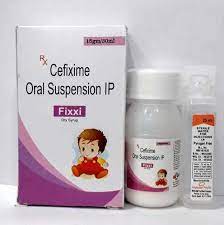
Cefixime is a prescription medication used to treat a variety of bacterial infections. It belongs to a group of antibiotics known as cephalosporins, which are effective in combating different types of bacteria. In this article, we will delve into the various uses, benefits, side effects, and warnings associated with Cefixime.
Uses
Cefixime is primarily prescribed to treat respiratory tract infections, such as bronchitis and pneumonia. It is also effective in treating urinary tract infections, gonorrhea, and various types of infections in the ear, nose, and throat. Additionally, Cefixime can be used to prevent certain types of infections in people who have had surgery or dental procedures.
Benefits
The main benefit of Cefixime is its ability to fight off bacterial infections. By inhibiting the growth and spread of bacteria, the medication helps relieve the symptoms associated with these infections. People suffering from respiratory tract infections often experience coughing, difficulty breathing, and chest congestion, while those with urinary tract infections may experience pain and frequent urination. Cefixime works to alleviate these symptoms and promote faster recovery.
Side Effects
While Cefixime is generally well-tolerated by most individuals, it may cause some side effects. Common side effects include diarrhea, nausea, vomiting, stomach pain, and headache. These symptoms are usually mild and subside on their own as the body adjusts to the medication. However, if these side effects persist or worsen, it is important to consult a healthcare professional.
In rare cases, Cefixime can cause more serious side effects that require immediate medical attention. These may include severe stomach pain, persistent vomiting, yellowing of the eyes or skin (indicating liver problems), easy bruising or bleeding, and signs of an allergic reaction such as rash, itching, swelling, severe dizziness, or trouble breathing.
Warnings
Before taking Cefixime, it is crucial to inform your healthcare provider about any existing medical conditions, allergies, or medications you are currently taking. Certain conditions or medications may interact negatively with Cefixime, making it less effective or causing unwanted side effects.
It is important to complete the full course of medication as prescribed by your healthcare provider, even if your symptoms improve before the treatment is finished. Prematurely stopping the medication may allow the bacteria to grow and develop resistance to the antibiotic.
Cefixime may interact with oral contraceptives, reducing their effectiveness and increasing the risk of pregnancy. It is recommended to use additional methods of contraception while taking Cefixime and for a week after completing the course of treatment.
FAQs
No, Cefixime only works against bacterial infections and is not effective against viral infections such as the common cold or flu.
The onset of action can vary depending on the individual and the severity of the infection. Generally, improvement in symptoms can be observed within a few days of starting the medication.
Cefixime is classified as a pregnancy category B medication, which means it is generally considered safe for use during pregnancy. However, it is important to consult with a healthcare provider before taking any medication during pregnancy.
Yes, Cefixime is often prescribed to children for various bacterial infections. However, the dosage should be determined by a pediatrician based on the child’s weight and age.
It is generally recommended to avoid alcohol while taking Cefixime, as alcohol can increase the risk and severity of certain side effects, such as stomach upset or drowsiness.
In conclusion, Cefixime is a valuable antibiotic used to treat a range of bacterial infections. It offers various benefits in relieving symptoms and promoting recovery. While side effects are possible, they are typically mild and temporary. However, it is important to be aware of the potential warnings and consult a healthcare professional if any concerns arise.






