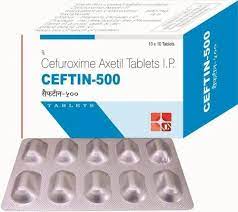
Ceftin, also known as cefuroxime, is an antibiotic that is used to treat a wide variety of bacterial infections. It belongs to a class of drugs known as cephalosporins and works by killing bacteria or preventing their growth. In this article, we will discuss the uses, benefits, side effects, and warnings associated with Ceftin.
Uses of Ceftin
Ceftin is used to treat a variety of bacterial infections, including:
– Ear infections
– Skin infections
– Sinus infections
– Urinary tract infections
– Strep throat
– Pneumonia
– Gonorrhea
– Lyme disease
Ceftin is especially effective against strep throat, which is caused by group A Streptococcus bacteria.
Benefits of Ceftin
Ceftin is a highly effective antibiotic that can help clear up bacterial infections quickly. It can also prevent the spread of bacteria to other parts of the body, making it easier to treat infections and prevent complications.
Ceftin is also less likely to cause side effects than other antibiotics, especially when compared to penicillin-based medications.
Side Effects of Ceftin
Like all medications, Ceftin may cause side effects, although not everyone who takes it will experience them. Some common side effects of Ceftin include:
– Diarrhea
– Nausea
– Vomiting
– Stomach pain
– Headache
– Dizziness
– Rash
If these side effects are mild, they will usually go away on their own within a few days. However, if they persist or become severe, you should contact your doctor.
In rare cases, Ceftin may cause more serious side effects, such as:
– Allergic reactions
– Seizures
– Liver damage
If you experience any of these more serious side effects, you should stop taking Ceftin immediately and seek medical attention.
Warnings About Ceftin
Before taking Ceftin, you should let your doctor know if you have any allergies to antibiotics or any other medications. You should also tell your doctor if you are pregnant or breastfeeding, as Ceftin may be harmful to a developing fetus or infant.
Ceftin may interact with other medications, so you should let your doctor know if you are taking any other medications, including over-the-counter drugs and supplements.
Ceftin can also reduce the effectiveness of birth control pills, so you should use an alternative form of birth control while taking Ceftin.
FAQs About Ceftin
- How long does it take Ceftin to work?
Ceftin can begin working within a few hours of taking the first dose. However, it is important to take the full course of medication to ensure that all bacteria have been eliminated.
- Can I drink alcohol while taking Ceftin?
It is generally recommended to avoid alcohol while taking Ceftin, as it can increase the risk of side effects and may interfere with the effectiveness of the medication.
- How is Ceftin taken?
Ceftin is usually taken orally, either with or without food, depending on your doctor’s instructions.
- Can Ceftin be used to treat viral infections?
No, Ceftin is only effective against bacterial infections and cannot be used to treat viral infections such as the flu or common cold.
- What should I do if I miss a dose of Ceftin?
If you miss a dose of Ceftin, you should take it as soon as possible. However, if it is almost time for your next dose, you should skip the missed dose and continue with your regular dosing schedule.