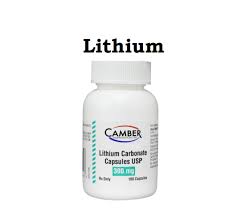
Lithium Carbonate is a medication commonly prescribed for the treatment of bipolar disorder. It is a mood stabilizer that helps to reduce the frequency and severity of manic and depressive episodes. It is also used to treat other mental disorders, such as schizophrenia, depression, and anxiety disorders.
Uses
Lithium Carbonate is primarily used to treat bipolar disorder. This condition is characterized by periods of manic episodes, where individuals experience extreme highs, such as increased energy, elevated mood, and impulsiveness. Lithium helps to calm these raging emotions and prevent episodes from occurring.
In addition, Lithium Carbonate is also used to treat depression. It has been shown to enhance the effectiveness of antidepressants, making it a popular choice for individuals who do not respond well to traditional depression medications.
Lithium Carbonate is also used to treat other mental disorders, such as schizophrenia and anxiety disorders. It works by changing the levels of certain chemicals in the brain, including serotonin, norepinephrine, and dopamine.
Benefits
The main benefit of Lithium Carbonate is the ability to stabilize moods and prevent episodes of mania and depression. This leads to a better quality of life as individuals experience fewer highs and lows.
In addition, Lithium Carbonate has been shown to reduce suicidal thoughts and behaviors in individuals with bipolar disorder. It is thought that it does this by altering the levels of certain neurotransmitters in the brain that are associated with mood regulation and depression.
Furthermore, Lithium Carbonate has been shown to improve cognitive function and memory in individuals with a history of psychiatric disorders. It is believed that this is due to the medication’s ability to promote the growth of new brain cells and improve brain function.
Side Effects
Although Lithium Carbonate is generally safe and effective, there are some side effects that can occur. These can include:
– Dry mouth
– Increased thirst
– Increased urination
– Headache
– Nausea
– Vomiting
– Diarrhea
– Weight gain
– Hand tremors
– Coordination problems
In rare cases, Lithium Carbonate can also cause more serious side effects, such as seizures, kidney problems, and thyroid problems. It is important to talk to your doctor if you experience any of these symptoms.
Warnings
Lithium Carbonate should never be taken without the supervision of a doctor. It can interact with other medications and cause serious health complications.
People with kidney disease or heart disease should not take Lithium Carbonate. It can worsen these conditions and lead to further health complications.
Lithium Carbonate can also cause dehydration, so it is important to stay well hydrated while taking this medication. This can be achieved by drinking plenty of water and avoiding diuretics, such as caffeine and alcohol.
FAQs
- How long does Lithium Carbonate take to work?
Lithium Carbonate can take several weeks to reach its full effect.
- Is Lithium Carbonate addictive?
No, Lithium Carbonate is not addictive.
- Can Lithium Carbonate be taken during pregnancy?
Lithium Carbonate is not recommended for use during pregnancy and breastfeeding.
- Can Lithium Carbonate cause liver damage?
No, Lithium Carbonate does not generally cause liver damage.
- Can Lithium Carbonate be taken with other medications?
Lithium Carbonate can interact with other medications, so it is important to consult with a doctor or pharmacist before taking any new medications.






