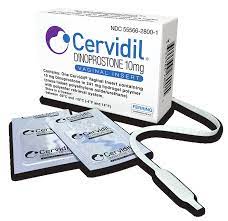
Cervidil Vaginal is a medication commonly used in obstetrics and gynecology to prepare the cervix for labor induction. It contains the active ingredient dinoprostone, which is a synthetic prostaglandin E2 analogue. This article will discuss the uses, benefits, side effects, and warnings of Cervidil Vaginal.
Uses
Cervidil Vaginal is primarily used to ripen the cervix in pregnant women who are at or near term and require labor induction. It helps to soften and thin the cervix, making it easier for the baby to pass through during delivery. The medication stimulates contractions of the uterus, aiding in the initiation of labor.
Benefits
The use of Cervidil Vaginal offers several benefits for pregnant women requiring labor induction:
- Effective Cervical Ripening: Cervidil Vaginal is proven to effectively ripen the cervix, facilitating a smoother labor process.
- Minimal Systemic Effects: Since Cervidil Vaginal is applied directly to the cervix, it has minimal systemic effects on the mother or baby.
- Non-Invasive: The medication is administered through a vaginal insert, which is non-invasive and doesn’t require any surgical procedures.
- Convenient: The vaginal insert is easily placed and can be left in position for up to 12 hours, allowing for a gradual and controlled cervical ripening process.
Side Effects
While Cervidil Vaginal is generally well-tolerated, it may cause some side effects. Common side effects include:
- Mild to moderate uterine contractions
- Backache or pelvic pain
- Nausea and vomiting
- Headache
- Dizziness
- Diarrhea
These side effects are usually temporary and subside once the medication is removed. However, if any side effects persist or worsen, it is important to consult a healthcare professional.
Warnings
Before using Cervidil Vaginal, it is crucial to consider the following warnings:
- Allergic Reactions: Individuals with a known hypersensitivity to prostaglandins should not use Cervidil Vaginal.
- Prior Uterine Surgery: The medication should be used with caution in individuals who have previously undergone uterine surgery, as it may increase the risk of uterine rupture.
- Fetal Distress: Cervidil Vaginal may cause uterine hyperstimulation, which can result in fetal distress. Continuous monitoring of maternal and fetal well-being is necessary during its use.
- Induction Failure: Cervidil Vaginal may not be effective in all cases of labor induction. Alternative methods may need to be considered if the medication fails to ripen the cervix adequately.
- Precautions: It is important to disclose any medical conditions, medications, or allergies to the healthcare provider before using Cervidil Vaginal.
Frequently Asked Questions (FAQs)
Here are some frequently asked questions about Cervidil Vaginal:
No, Cervidil Vaginal is typically used in pregnant women who are at or near term and require labor induction. Its use should be determined by a healthcare professional.
The vaginal insert can be left in place for up to 12 hours, during which the cervix gradually ripens. The duration may vary depending on individual factors.
If you experience severe uterine contractions or prolonged pain while using Cervidil Vaginal, contact your healthcare provider immediately, as it may indicate uterine hyperstimulation.
No, Cervidil Vaginal is specifically used for labor induction and cervical ripening in vaginal deliveries. It is not indicated for use during a cesarean section.
Yes, there are alternative medications available for cervical ripening, such as misoprostol or oxytocin. The choice of medication depends on various factors and should be determined by a healthcare professional.
It is important to consult a healthcare professional for personalized information and guidance regarding the use of Cervidil Vaginal.





