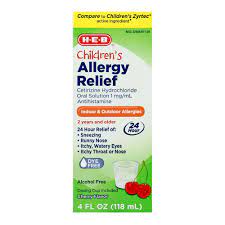
Children often suffer from allergies, causing discomfort and distress in their daily lives. To alleviate these symptoms, many parents turn to Children’s Allergy Relief Cetirizine. This medication offers relief from common allergy symptoms, but it is essential to understand its uses, benefits, potential side effects, and necessary precautions.
Uses
Children’s Allergy Relief Cetirizine is primarily used to treat various allergy symptoms in children. It effectively reduces the intensity of symptoms caused by hay fever (allergic rhinitis), such as sneezing, runny nose, itchy or watery eyes, and itching of the nose or throat. Additionally, it can provide relief from hives (urticaria), reducing itching and the appearance of red or swollen skin.
Benefits
The main benefit of using Children’s Allergy Relief Cetirizine is the relief it brings to children suffering from allergies. By targeting the underlying causes of symptoms, this medication helps alleviate discomfort and allows children to participate fully in their daily activities. Moreover, it helps improve the overall quality of life for children affected by allergies, allowing them to sleep better, focus on their studies, and engage in physical activities without hindrance.
Side Effects
While Children’s Allergy Relief Cetirizine is generally safe and well-tolerated, it can potentially cause some side effects. These side effects are usually mild and temporary, and they may include drowsiness, headache, dry mouth, sore throat, cough, or stomach pain. If any of these side effects persist or worsen, it is advisable to consult a healthcare professional for further guidance.
Warnings
Before administering Children’s Allergy Relief Cetirizine to your child, it is crucial to consider the following warnings:
1. Allergic Reactions: Some children may experience an allergic reaction to this medication. If your child develops symptoms such as rash, itching, swelling, severe dizziness, or difficulty breathing, seek immediate medical attention.
2. Dosage: Follow the recommended dosage instructions provided by your child’s healthcare provider or as indicated on the packaging. Avoid exceeding the prescribed dose, as it may lead to adverse effects.
3. Medical History: Inform your child’s healthcare provider about any pre-existing medical conditions, especially kidney problems or liver disease, as dosage adjustments may be necessary.
4. Drug Interactions: Certain medications, such as sedatives, tranquilizers, or other allergy medications, may interact with Children’s Allergy Relief Cetirizine. Consult a healthcare professional or pharmacist for advice on potential drug interactions.
5. Age Restrictions: Children’s Allergy Relief Cetirizine is suitable for children aged two years and above. For children below this age, consult a healthcare professional for alternative allergy relief options.
Conclusion
In conclusion, Children’s Allergy Relief Cetirizine is a valuable medication for providing relief from common allergy symptoms in children. Understanding its uses, benefits, potential side effects, and necessary precautions will help parents make informed decisions regarding their child’s allergy management. As always, consult a healthcare professional for personalized advice and guidance based on your child’s specific needs.
FAQs
Children’s Allergy Relief Cetirizine is primarily designed to alleviate allergy symptoms and may not effectively relieve cold symptoms. Consult a healthcare professional for appropriate cold remedies for your child.
The effects of Children’s Allergy Relief Cetirizine typically start within one hour after administration. However, individual response may vary, and it may take longer for some children to experience relief.
Children’s Allergy Relief Cetirizine is not specifically designed to treat food allergies. If your child has food allergies, consult a healthcare professional for suitable treatment options.
While Children’s Allergy Relief Cetirizine is generally safe, it is advisable to consult a healthcare professional before giving it to a child with asthma, as it may interact with asthma medications or exacerbate certain symptoms.
Children’s Allergy Relief Cetirizine is considered a non-drowsy antihistamine; however, some children may experience drowsiness as a side effect. Monitor your child’s response to the medication and avoid activities that require alertness if drowsiness occurs.






, such as sneezing, runny nose, itchy or watery eyes,)