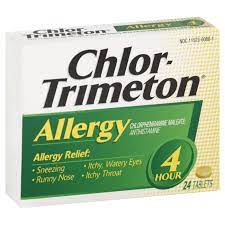
Chlor Trimeton D is a medication that combines the antihistamine chlorpheniramine with the decongestant pseudoephedrine. It is commonly used to relieve symptoms associated with allergies, hay fever, and the common cold. This article will explore the uses, benefits, side effects, and warnings of Chlor Trimeton D.
Uses
Chlor Trimeton D is primarily used to alleviate symptoms caused by environmental allergies, such as sneezing, itching, watery eyes, and runny nose. It can also help relieve congestion and sinus pressure associated with the common cold. The combination of chlorpheniramine and pseudoephedrine works together to block histamine release and constrict blood vessels, providing relief from these symptoms.
Benefits
The main benefit of Chlor Trimeton D is its ability to provide relief from allergy symptoms and nasal congestion. By blocking histamine, chlorpheniramine helps alleviate symptoms like itching and sneezing. Pseudoephedrine, on the other hand, acts as a decongestant by constricting blood vessels in the nasal passages, reducing swelling and congestion. This combination provides effective relief for individuals suffering from allergies or nasal congestion.
Side Effects
While Chlor Trimeton D can be effective in relieving symptoms, it is important to be aware of potential side effects. Common side effects may include drowsiness, dizziness, dry mouth, blurred vision, and constipation. These side effects are usually mild and temporary, but if they persist or become bothersome, it is recommended to consult a healthcare professional.
Less common but more serious side effects may include rapid or irregular heartbeat, difficulty urinating, hallucinations, and mood changes. If any of these more severe side effects occur, immediate medical attention should be sought.
Warnings
Chlor Trimeton D should be used with caution in individuals with certain medical conditions. It is not recommended for individuals with high blood pressure, heart disease, glaucoma, or an enlarged prostate gland. It may also interact with certain medications, such as monoamine oxidase inhibitors (MAOIs) and antidepressants. It is important to inform your healthcare provider of any existing medical conditions or medications you are taking before using Chlor Trimeton D.
Additionally, Chlor Trimeton D should be used with caution in elderly individuals, as they may be more susceptible to side effects such as dizziness and confusion.
It is essential to follow the recommended dosage instructions provided by the manufacturer or healthcare professional. Taking more than the recommended dose can increase the risk of side effects. If an overdose is suspected, medical attention should be sought immediately.
Conclusion
In conclusion, Chlor Trimeton D is a combination medication that offers relief from allergy symptoms and nasal congestion. While it can be effective, it is crucial to be aware of potential side effects and warnings associated with its use. Always consult with a healthcare professional before using any medication to ensure safe and appropriate use.
FAQs
Chlor Trimeton D is not recommended for individuals with high blood pressure, as pseudoephedrine can elevate blood pressure levels. It is important to consult with a healthcare professional before using this medication if you have high blood pressure.
It is advisable to avoid using Chlor Trimeton D during pregnancy or breastfeeding, as the effects on the fetus or infant are not well-established. Consult with your healthcare provider for safer alternatives.
Chlor Trimeton D may cause drowsiness or dizziness, which can impair your ability to drive or operate machinery safely. It is recommended to avoid these activities until you know how the medication affects you.
Chlor Trimeton D may interact with other medications, including over-the-counter ones. It is crucial to consult with a healthcare professional or pharmacist to ensure there are no potential drug interactions.
The onset of action may vary among individuals, but Chlor Trimeton D typically starts providing relief within 30 minutes to an hour after ingestion. It is essential to follow the recommended dosing instructions and allow sufficient time for the medication to take effect before expecting full relief from symptoms.