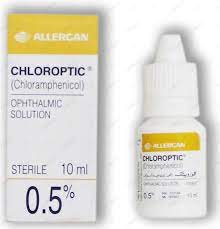
Chloramphenicol Ophthalmic Eye is a medication that is used to treat various eye infections. It contains an antibiotic called chloramphenicol, which helps to kill the bacteria causing the infection. This article will provide you with information about the uses, benefits, side effects, and warnings associated with Chloramphenicol Ophthalmic Eye.
Uses
Chloramphenicol Ophthalmic Eye is primarily used to treat bacterial eye infections, such as conjunctivitis (pink eye), keratitis, and blepharitis. It works by stopping the growth of bacteria, allowing the body’s immune system to effectively eliminate the infection. This medication is specifically designed for use in the eyes and should not be ingested or applied to other parts of the body.
Benefits
The main benefit of using Chloramphenicol Ophthalmic Eye is the ability to effectively treat bacterial eye infections. By eliminating the bacteria causing the infection, symptoms such as redness, itching, discharge, and swelling can be alleviated. Prompt treatment with this medication can help prevent the infection from spreading and causing further complications.
Side Effects
Like any medication, Chloramphenicol Ophthalmic Eye can cause side effects, although not everyone may experience them. Common side effects include temporary stinging or burning sensation in the eyes, blurred vision, and increased sensitivity to light. These side effects are usually mild and subside on their own. However, if they persist or worsen, it is advisable to consult a healthcare professional.
Rare but serious side effects may include severe allergic reactions, such as rash, itching, swelling, severe dizziness, and trouble breathing. If you experience any of these symptoms, seek immediate medical attention. It is important to note that prolonged or inappropriate use of Chloramphenicol Ophthalmic Eye may lead to a secondary fungal infection. If you notice any new symptoms or worsening of your condition, discontinue the medication and consult your doctor.
Warnings
Before using Chloramphenicol Ophthalmic Eye, inform your doctor if you have any allergies or medical conditions, especially if you have a history of blood disorders or liver problems. This medication may not be suitable for everyone, and your doctor will consider the potential risks and benefits before prescribing it to you.
Chloramphenicol Ophthalmic Eye should not be used if you are wearing contact lenses. Remove your lenses before applying the medication and wait for at least 15 minutes before reinserting them. Contact lenses may absorb the medication, reducing its effectiveness.
It is important to follow the prescribed dosage and duration of treatment. Do not use this medication for longer than recommended or share it with others. If you miss a dose, apply it as soon as you remember. However, if it is close to the time for your next dose, skip the missed dose and continue with your regular schedule.
FAQs
No, Chloramphenicol Ophthalmic Eye is only effective against bacterial eye infections. It will not work on viral infections, such as those caused by the herpes simplex virus.
Chloramphenicol Ophthalmic Eye may cause temporary blurred vision. If you experience this side effect, it is advisable to avoid driving or operating machinery until your vision clears.
It is important to consult your doctor before using any medication during pregnancy or while breastfeeding. They will assess the potential risks and benefits to determine if this medication is suitable for you.
Chloramphenicol Ophthalmic Eye can be used in children, but it is important to follow the dosage instructions provided by your doctor. Do not use this medication without medical advice.
If you have a known allergy to antibiotics, especially chloramphenicol, inform your doctor before using this medication. They will consider your allergy and determine if an alternative treatment is necessary.