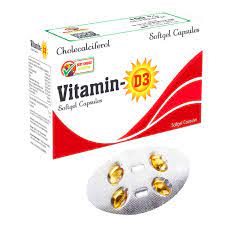
Uses
Cholecalciferol, also known as Vitamin D3, is a fat-soluble vitamin that plays a vital role in maintaining overall health. It is primarily used to treat and prevent Vitamin D deficiency, which can lead to various health problems. The main uses of Cholecalciferol include:
- Treating Vitamin D deficiency: Cholecalciferol is commonly prescribed to individuals with low levels of Vitamin D in their body. It helps in restoring the required levels of this essential nutrient.
- Improving bone health: Vitamin D3 aids in the absorption of calcium and phosphorus, which are crucial for maintaining strong bones. It helps prevent conditions like osteoporosis and fractures.
- Enhancing immune function: Cholecalciferol has been found to support the immune system, reducing the risk of infections and autoimmune diseases.
- Managing certain skin conditions: Some studies suggest that Vitamin D3 may help in the treatment of psoriasis, a chronic skin disorder characterized by red, scaly patches on the skin.
- Supporting mental health: Adequate levels of Vitamin D3 have been linked to improved mood and reduced risk of depression.
Benefits
Vitamin D3 offers several health benefits, including:
- Stronger bones: Cholecalciferol aids in the absorption of calcium and phosphorus, which are essential for maintaining optimal bone health.
- Improved immune function: Vitamin D3 plays a crucial role in supporting the immune system, helping to fight off infections and diseases.
- Reduced risk of chronic diseases: Adequate levels of Vitamin D3 have been associated with a lower risk of conditions such as heart disease, diabetes, and certain types of cancer.
- Enhanced mood: Studies have shown a link between Vitamin D3 deficiency and an increased risk of depression. Supplementing with Vitamin D3 may help improve mood and overall mental well-being.
- Healthy pregnancy outcomes: Pregnant women with sufficient Vitamin D levels have a reduced risk of complications such as gestational diabetes and preterm birth.
Side Effects
While Cholecalciferol is generally safe when taken as prescribed, excessive intake or prolonged use can lead to certain side effects. It is important to follow the recommended dosage and consult a healthcare professional if any adverse reactions occur. Possible side effects of Vitamin D3 include:
- Nausea and vomiting
- Constipation or diarrhea
- Loss of appetite
- Excessive thirst
- Weakness or fatigue
- Headaches
Warnings
Before starting Cholecalciferol supplementation, it is essential to consider the following warnings:
- Consult a healthcare professional: It is recommended to consult a healthcare provider before starting any new medication or supplement, especially if you have underlying health conditions or are taking other medications.
- Proper dosage: Follow the prescribed dosage instructions to avoid excessive intake, as high doses of Vitamin D3 can lead to toxicity.
- Interactions with other medications: Inform your healthcare provider about all the medications you are currently taking, as Vitamin D3 may interact with certain medications.
- Individual needs: The dosage of Cholecalciferol may vary depending on factors such as age, sex, overall health, and existing medical conditions. It is important to follow the recommended dosage for your specific needs.
- Regular monitoring: If you are on long-term Vitamin D3 supplementation, it is advisable to undergo regular blood tests to monitor your Vitamin D levels and ensure they remain within the optimal range.
FAQs
Cholecalciferol is available over the counter in many countries, but it is always advisable to consult a healthcare professional before starting any new supplement.
The time it takes for Vitamin D3 to work varies depending on individual factors such as current Vitamin D levels and overall health. It is recommended to follow the prescribed dosage and have regular check-ups to monitor the progress.
Vitamin D3 may interact with certain medications, so it is important to inform your healthcare provider about all the medications you are currently taking to avoid any potential interactions.
Excessive intake of Vitamin D3 can lead to toxicity and cause adverse effects. It is crucial to follow the recommended dosage and consult a healthcare professional if you experience any side effects.
While sunlight is a natural source of Vitamin D, it may not provide sufficient amounts, especially in regions with limited sunlight or during winter months. Supplementation may be necessary to maintain optimal Vitamin D levels.






