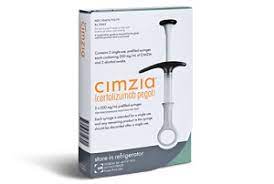
Cimzia is a medication that belongs to a class of drugs known as tumor necrosis factor (TNF) blockers. It is used for the treatment of certain autoimmune diseases such as rheumatoid arthritis, psoriatic arthritis, ankylosing spondylitis, and Crohn’s disease. This article will explore the uses, benefits, side effects, and warnings associated with Cimzia.
Uses
Cimzia is primarily used to treat autoimmune diseases that are characterized by inflammation in various parts of the body. Here are some of the conditions for which Cimzia is prescribed:
1. Rheumatoid Arthritis: Cimzia helps reduce joint pain, swelling, and stiffness, improving the physical function of patients with rheumatoid arthritis.
2. Psoriatic Arthritis: This medication helps alleviate the symptoms of psoriatic arthritis, which includes joint pain, stiffness, and skin manifestations.
3. Ankylosing Spondylitis: Cimzia can provide relief from the symptoms of ankylosing spondylitis, a chronic inflammatory disease that primarily affects the spine and sacroiliac joints.
4. Crohn’s Disease: Cimzia helps induce and maintain clinical response and remission in patients with moderate-to-severe Crohn’s disease.
Benefits
The use of Cimzia can offer several benefits to patients suffering from autoimmune diseases. Some of the major advantages include:
1. Reduced Inflammation: Cimzia works by targeting and inhibiting TNF, a protein that plays a significant role in the inflammatory response of the immune system. This helps reduce inflammation, pain, and swelling associated with autoimmune diseases.
2. Improved Quality of Life: By alleviating the symptoms of autoimmune diseases, Cimzia can enhance the overall quality of life for patients. It allows individuals to engage in daily activities with reduced pain and increased mobility.
3. Better Disease Management: Cimzia helps control the progression of diseases such as rheumatoid arthritis, psoriatic arthritis, ankylosing spondylitis, and Crohn’s disease. Regular use of this medication can help manage symptoms and prevent further damage to affected body parts.
Side Effects
While Cimzia offers numerous benefits, it may also cause certain side effects. Commonly reported side effects include:
1. Injection Site Reactions: Patients might experience redness, itching, bruising, or pain at the site of injection.
2. Upper Respiratory Tract Infections: Cimzia may increase the risk of developing respiratory infections, such as the common cold or flu-like symptoms.
3. Headache: Some users have reported experiencing headaches after using Cimzia.
4. Nausea: Cimzia can cause mild to moderate nausea in some patients.
5. Intestinal Issues: In rare cases, Cimzia may lead to gastrointestinal problems, including diarrhea and abdominal pain.
It is important to note that these side effects are not experienced by everyone and the severity may vary from person to person. If any of these side effects persist or worsen, it is advisable to consult a healthcare professional.
Warnings
Before using Cimzia, it is crucial to consider the following warnings:
1. Infections: Cimzia can lower the body’s ability to fight infections. Patients should not use this medication if they currently have an infection, and they must promptly report any signs of infection to their healthcare provider.
2. Tuberculosis: Individuals should be screened for tuberculosis before starting Cimzia because this medication may increase the risk of activating latent tuberculosis.
3. Immunizations: Patients should avoid live vaccines while using Cimzia and consult their healthcare provider for appropriate immunization options.
4. Hepatitis B Virus (HBV) Reactivation: Cimzia may cause HBV reactivation in individuals who are carriers of this virus. Regular screening for HBV is recommended before starting Cimzia.
5. Pregnancy and Breastfeeding: Cimzia may pose risks to a developing fetus or a nursing baby. It is essential to discuss potential benefits and risks with a healthcare professional if planning pregnancy or breastfeeding.
It is crucial to follow the dosage instructions provided by healthcare professionals and report any concerning symptoms or conditions during the treatment period.
FAQs
Live vaccines should be avoided while taking Cimzia. Consult your healthcare provider regarding suitable immunization options.
The time it takes for Cimzia to work may vary depending on the condition being treated. It is best to consult with your healthcare provider for an accurate estimation.
If you miss a dose, it is crucial to contact your healthcare provider to discuss the next steps. They may advise you on the best course of action based on your specific situation.
Cimzia is usually not recommended for use in children unless specifically prescribed by a healthcare professional.
Long-term use of Cimzia may increase the risk of certain infections or malignancies. Regular monitoring and open communication with healthcare professionals can help manage these risks effectively.
In summary, Cimzia is a medication used to treat various autoimmune diseases such as rheumatoid arthritis, psoriatic arthritis, ankylosing spondylitis, and Crohn’s disease. It offers benefits such as reduced inflammation, improved quality of life, and better disease management. However, it is important to be aware of potential side effects and consider the warnings associated with Cimzia. Always consult a healthcare professional for guidance and to address any concerns.