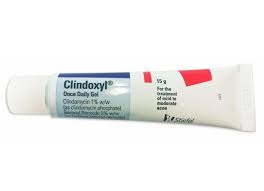
Clindoxyl gel is a topical medication that is used to treat acne. It contains a combination of two active ingredients, clindamycin and benzoyl peroxide. Clindamycin is an antibiotic that helps to kill the bacteria that cause acne, while benzoyl peroxide helps to reduce inflammation and unclog pores.
Uses
Clindoxyl gel is typically used to treat mild to moderate acne. It is applied directly to the affected areas of the skin and left on for a period of time. The medication is usually applied once or twice daily, depending on the severity of the acne.
Clindoxyl gel is also sometimes used to treat other skin conditions such as folliculitis, which is an infection of the hair follicles, and hidradenitis suppurativa, which is a chronic skin condition that causes painful, pus-filled lumps to form under the skin.
Benefits
The main benefit of Clindoxyl gel is that it can help to clear up acne and improve the overall appearance of the skin. The medication works by killing the bacteria that cause acne, reducing inflammation and unclogging pores. This can lead to fewer breakouts and a reduction in the severity of any existing acne.
In addition to treating acne, Clindoxyl gel can also help to prevent new breakouts from occurring. It can be effective at preventing new pimples from forming and can help to reduce the risk of scarring or other skin damage.
Side Effects
Like all medications, Clindoxyl gel can cause side effects in some people. The most common side effects of the medication include dryness, redness, and peeling of the skin. Some people may also experience itching or burning sensations when they apply the medication.
In rare cases, Clindoxyl gel can cause more serious side effects, such as severe allergic reactions. If you experience any of the following symptoms after using Clindoxyl gel, you should contact your healthcare provider immediately:
- Trouble breathing
- Swelling of the face, lips, tongue, or throat
- Severe dizziness or fainting
- Rash or hives
Warnings
Before using Clindoxyl gel, it is important to talk to your healthcare provider about any medical conditions you may have and any medications you are currently taking. You should also inform your healthcare provider if you are pregnant or breastfeeding.
Clindoxyl gel can make your skin more sensitive to the sun, so it is important to wear sunscreen and protective clothing when you are outside. You should also avoid tanning beds or other sources of UV light.
If you experience any severe side effects or if your acne does not improve after using Clindoxyl gel for a period of time, you should contact your healthcare provider. They may recommend a different medication or a different treatment approach for your acne.
FAQs
It can take several weeks or even months for Clindoxyl gel to work. It is important to use the medication as directed and to be patient as your skin begins to improve.
Clindoxyl gel can be used on sensitive skin, but it may cause some irritation or dryness. It is important to use the medication as directed and to talk to your healthcare provider if you experience any severe side effects.
Clindoxyl gel can be used with other acne medications, but you should talk to your healthcare provider before combining medications. Some medications may interact with Clindoxyl gel and cause unwanted side effects.
Clindoxyl gel should be used with caution during pregnancy. It is important to talk to your healthcare provider about the risks and benefits of using the medication during pregnancy.
Clindoxyl gel is typically used to treat mild to moderate acne. It may not be effective for severe acne, and your healthcare provider may recommend a different treatment approach for severe acne.