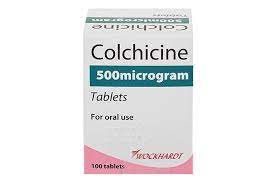
Uses:
Colchicine is a medication primarily used to treat gout and prevent gout attacks. It is also prescribed to treat familial Mediterranean fever (FMF) and certain other inflammatory conditions. Gout is a type of arthritis that occurs when uric acid crystals accumulate in the joints, leading to severe pain and inflammation. Colchicine works by reducing the inflammatory response, alleviating pain, and preventing further gout attacks.
Benefits:
The primary benefit of colchicine is its ability to relieve the symptoms of gout, including reducing pain, swelling, and inflammation in the affected joints. It can provide significant relief during acute gout attacks and may also prevent future attacks when used regularly. Colchicine has also shown effectiveness in managing FMF, a genetic disorder characterized by recurrent episodes of fever, pain, and inflammation.
Side Effects:
While beneficial, colchicine may cause certain side effects that should be considered. Common side effects include nausea, vomiting, abdominal pain, diarrhea, and gas. These gastrointestinal symptoms are usually mild and transient. However, higher doses or prolonged use might increase the likelihood of these side effects. In rare cases, individuals may experience more severe adverse reactions such as muscle weakness, nerve damage, and blood disorders. It is important to discuss any unusual or persistent side effects with a healthcare professional.
Warnings:
Colchicine should be used with caution and under the guidance of a healthcare professional. Certain individuals may be more susceptible to side effects, including those with kidney or liver disease, as well as older adults. It is crucial to disclose any pre-existing medical conditions and ongoing medications to ensure safe and effective use of colchicine. The dosage and duration of treatment should be strictly adhered to as prescribed. Combination with certain medications, such as certain antibiotics or heart medications, may increase the risk of serious side effects. Pregnant and breastfeeding women should consult their healthcare provider before using colchicine.
FAQs
Yes, colchicine can also be prescribed for the treatment of familial Mediterranean fever (FMF) and certain other inflammatory conditions. It is important to consult with a healthcare professional to determine the appropriate use of colchicine for your specific condition.
Colchicine typically starts relieving gout symptoms within 24 to 48 hours. However, the full effectiveness may take several days. It is important to continue taking the prescribed dosage until symptoms subside.
Yes, in some cases, colchicine may be prescribed for long-term use to prevent future gout attacks. However, the dosage and duration of treatment will depend on individual circumstances and should be determined by a healthcare professional.
There are no specific dietary restrictions while taking colchicine. However, maintaining a healthy lifestyle, including a balanced diet, regular exercise, and limiting alcohol intake, is generally recommended for individuals with gout.
If you miss a dose of colchicine, take it as soon as you remember. However, if it is close to the time for your next scheduled dose, skip the missed dose and continue with your regular dosing schedule. Do not take a double dose to make up for a missed dose.