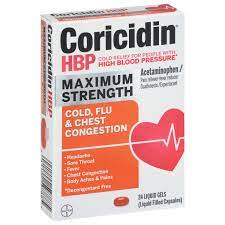
Coricidin is a popular over-the-counter medication used to relieve symptoms of the common cold, flu, and various allergies. It contains two active ingredients, acetaminophen and chlorpheniramine maleate, which work together to combat fever, nasal congestion, sneezing, and runny nose. While Coricidin can be an effective remedy for these ailments, it is important to be aware of its uses, benefits, side effects, and warnings before using it.
Uses
Coricidin is primarily used to alleviate symptoms associated with the common cold, flu, and allergies. The acetaminophen component helps reduce fever and relieve minor aches and pains. Chlorpheniramine maleate, an antihistamine, works to block the effects of histamine, a natural substance produced by the body in response to allergens, thereby reducing symptoms such as sneezing, itching, watery eyes, and runny nose.
Benefits
The benefits of using Coricidin include:
1. Symptom Relief: Coricidin effectively tackles various symptoms associated with cold, flu, and allergies, providing relief from discomfort caused by fever, nasal congestion, sneezing, and runny nose.
2. Convenient Over-the-Counter Option: Coricidin is readily available without a prescription, making it a convenient choice for those seeking relief from cold or allergy symptoms.
3. Dual-Action Formula: By combining acetaminophen and chlorpheniramine maleate, Coricidin offers both pain relief and antihistamine effects in a single medication.
Side Effects
While Coricidin is generally safe for most people, it may cause some side effects in certain individuals. Common side effects include:
1. Drowsiness: Due to the antihistamine component, Coricidin may cause drowsiness. It is advisable to avoid driving or operating heavy machinery after taking Coricidin until you know how it affects you.
2. Dry Mouth: Some individuals may experience a dry mouth, which can be alleviated by drinking plenty of fluids.
3. Nosebleeds: In rare cases, Coricidin may cause nosebleeds. If nosebleeds persist or become severe, it is essential to seek medical attention.
4. Upset Stomach: Coricidin may cause stomach upset, nausea, or vomiting in some individuals. Taking the medication with food or milk can help reduce these symptoms.
If you experience any severe or persistent side effects, it is important to discontinue use and consult your healthcare provider.
Warnings
It is crucial to be aware of the following warnings before using Coricidin:
1. Avoid Alcohol: Alcohol consumption should be avoided while taking Coricidin as it may increase the risk of liver damage.
2. Interaction with Other Medications: Coricidin may interact with certain medications, such as monoamine oxidase inhibitors (MAOIs) and blood thinners. It is essential to consult your healthcare provider or pharmacist before using Coricidin if you are taking any other medications.
3. Pre-existing Conditions: Individuals with certain pre-existing medical conditions, such as liver disease, kidney disease, high blood pressure, or heart problems, should consult a healthcare professional before using Coricidin.
4. Not for Children Under 4: Coricidin should not be used in children under the age of four without consulting a pediatrician.
5. Allergy Warning: Individuals who are allergic to acetaminophen or chlorpheniramine maleate should not use Coricidin.
FAQs
Yes, Coricidin can help alleviate symptoms associated with the flu, such as fever, nasal congestion, and body aches.
If you have high blood pressure, it is essential to consult your healthcare provider before using Coricidin, as it may affect blood pressure levels.
It is not recommended to combine Coricidin with other cold or allergy medications without consulting a healthcare professional, as this may lead to an overdose of certain ingredients.
Coricidin may cause drowsiness due to the antihistamine component. It is important to avoid activities that require alertness until you know how it affects you.
Coricidin should not be used in children under the age of four without consulting a pediatrician.