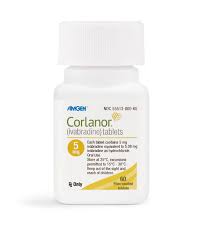
Corlanor, also known as ivabradine, is a medication used to treat heart conditions such as chronic heart failure and angina (chest pain). It works by slowing down the heart rate, which can reduce the workload of the heart and improve blood flow. In this article, we will discuss the uses, benefits, side effects, and warnings of Corlanor.
Uses
Corlanor is used to treat chronic heart failure, which is a condition in which the heart cannot pump enough blood to the rest of the body. This can cause symptoms such as shortness of breath, fatigue, and swelling in the legs and ankles. Corlanor can help reduce these symptoms and improve a person’s quality of life.
Corlanor is also used to treat angina, which is chest pain that occurs when the heart does not receive enough oxygen. By slowing down the heart rate, Corlanor can reduce the workload on the heart and prevent angina attacks.
Benefits
The main benefit of Corlanor is that it can improve the symptoms of chronic heart failure and angina. This can lead to an improved quality of life for people with these conditions. Corlanor has also been shown to reduce the risk of hospitalization for heart failure.
In addition, Corlanor may have other benefits for people with heart conditions. It may improve heart function and reduce inflammation, which can reduce the risk of future heart problems.
Side Effects
Like all medications, Corlanor can cause side effects. Some common side effects of Corlanor include:
– A slow heart rate
– High blood pressure
– Headache
– Dizziness
– Nausea
– Diarrhea
– Fatigue
These side effects are usually mild and go away on their own. However, if you experience any severe or persistent side effects, you should contact your doctor.
In rare cases, Corlanor can cause serious side effects such as:
– Liver problems
– Vision changes
– Allergic reactions
If you experience any of these side effects, you should contact your doctor immediately.
Warnings
Before taking Corlanor, you should be aware of the following warnings:
– Corlanor should not be used if you have a very slow heart rate, heart block, or certain types of heart rhythm problems.
– Corlanor can interact with other medications, so you should tell your doctor about all the medications you are taking.
– Corlanor should not be used during pregnancy or breastfeeding, as it may harm the fetus or baby.
– Corlanor can cause dizziness, so you should avoid driving or operating heavy machinery until you know how it will affect you.
FAQs
Corlanor can take several weeks to start working. You may not notice a difference in your symptoms right away.
Corlanor is only approved for treating chronic heart failure and angina. It should not be used to treat other conditions without the approval of your doctor.
Corlanor can interact with other heart medications, so you should tell your doctor about all the medications you are taking.
If you miss a dose of Corlanor, take it as soon as you remember. If it is almost time for your next dose, skip the missed dose and continue with your regular dosing schedule.
Corlanor should be stored at room temperature, away from heat and moisture. It should be kept out of reach of children and pets.






