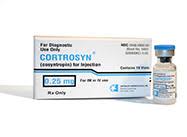
Cortrosyn is a medication used in different ways to diagnose or treat a variety of conditions. It contains synthetic adrenocorticotropic hormone (ACTH), which is produced by the pituitary gland and stimulates the adrenal glands to secrete cortisol, a hormone that regulates metabolism, immune response, and stress. Here’s a comprehensive guide on Cortrosyn, including its uses, benefits, side effects, and warnings:
Uses
Cortrosyn is primarily used to test adrenal function in people suspected of having Addison’s disease, Cushing’s syndrome, or other disorders that affect the hypothalamic-pituitary-adrenal axis. The test involves injecting Cortrosyn into a vein, followed by measuring the body’s response to the hormone. A normal response should increase cortisol levels within 30-60 minutes, while an abnormal response can suggest adrenal insufficiency or hyperfunction.
Cortrosyn can also be used in emergency situations to treat acute adrenal crisis or shock due to trauma, infection, surgery, or other stressors that require immediate cortisol replacement. In this case, the medication is given by injection into a muscle or vein, and the dose and duration will depend on the severity of the condition and the patient’s response.
Other off-label uses of Cortrosyn include treating refractory hypotension, hypotension in sepsis, acute respiratory distress syndrome, traumatic brain injury, and multiple sclerosis.
Benefits
The main benefit of Cortrosyn is its ability to evaluate adrenal function accurately and safely, avoiding the need for invasive or provocative tests that carry higher risks and costs. Cortrosyn is a synthetic replica of the natural hormone ACTH, which means it has a low risk of causing allergic reactions or transmitting infections as it is produced in the laboratory under strict quality standards.
Furthermore, Cortrosyn can provide valuable information about the underlying causes of adrenal dysfunction, such as autoimmune diseases, infections, tumors, or medications that can affect the hypothalamic-pituitary-adrenal axis. This knowledge can guide appropriate treatment and monitoring to prevent complications and optimize the patient’s quality of life.
Side Effects
Like any medication, Cortrosyn can cause side effects, although they are usually mild and short-lived. Common side effects include:
- Pain, redness, or swelling at the injection site
- Flushing or warmth of the face and neck
- Headache, dizziness, or nausea
- Increased heart rate or blood pressure
- Muscle weakness or cramps
- Insomnia or agitation
These side effects usually resolve on their own within a few hours or days and don’t require medical attention unless they are severe or persistent. However, if you experience any of the following symptoms after taking Cortrosyn, seek emergency medical assistance:
- Allergic reaction, such as rash, hives, itching, or swelling of the face, lips, tongue, or throat
- Severe headache, vision changes, or confusion
- Chest pain, shortness of breath, or palpitations
- Fainting, seizure, or coma
Mild side effects can be minimized by drinking plenty of fluids, avoiding alcohol or caffeine, and resting as much as possible after the injection. If you are taking any other medications, supplements, or herbal remedies, inform your doctor before the test to prevent drug interactions or interference with the results.
Warnings
Pregnant or breastfeeding women should not take Cortrosyn unless strictly necessary and under the supervision of a doctor, as the effects of the medication on the fetus or infant are unclear. Cortrosyn can also affect blood sugar levels, so people with diabetes should monitor their blood glucose closely while taking the test or being treated with Cortrosyn for adrenal insufficiency.
In addition, Cortrosyn can interfere with some laboratory tests, such as urine or serum cortisol, for up to 48 hours after the injection, so notify your doctor or laboratory technician if you have taken Cortrosyn recently.
Lastly, people with a history of allergies to any of the components of Cortrosyn should avoid taking the medication or be monitored closely for adverse reactions. If you have any doubts or concerns about Cortrosyn, talk to your doctor or pharmacist for personalized advice.
FAQs
Cortisol is a natural steroid hormone produced by the adrenal glands, while Cortrosyn is a synthetic copy of the hormone ACTH that stimulates the adrenal glands to release cortisol.
The test itself takes a few minutes to inject the Cortrosyn and draw blood samples, but the results may take several hours or days to analyze and interpret.
It depends on the instructions of your doctor, but usually, you should fast for at least 2-4 hours before the test to avoid interfering with the cortisol levels.
Most people can resume their usual activities immediately after the test, but if you feel dizzy, lightheaded, or weak, wait until you feel better before driving, operating machinery, or doing anything that requires alertness and coordination.
There are several tests that can assess adrenal function, such as saliva cortisol, 24-hour urine cortisol, dexamethasone suppression test, and aldosterone-renin ratio. Your doctor will recommend the most appropriate test based on your symptoms, medical history, and physical examination.