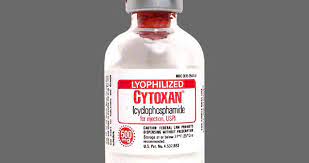
Cytoxan is a brand name for cyclophosphamide, a chemotherapy drug used to treat various types of cancers. It is also sometimes used to treat autoimmune diseases like lupus and rheumatoid arthritis. However, this drug is not without risks, and it can cause a range of side effects. In this article, we will explore the uses, benefits, side effects, and warnings associated with the medication.
Uses
Cytoxan is primarily used to treat different types of cancer, including leukemia, lymphoma, and multiple myeloma. It is an alkylating agent that damages the DNA in cancer cells, preventing them from dividing and growing. This drug can also be used in combination with other chemotherapy drugs to increase their effectiveness and improve treatment outcomes.
In addition to cancer treatment, Cytoxan is also used to treat certain autoimmune diseases, such as lupus and rheumatoid arthritis. It works by suppressing the immune system to reduce inflammation and prevent tissue damage.
Benefits
The main benefit of Cytoxan is its ability to kill cancer cells and shrink tumors. When used in combination with other chemotherapy drugs, it can increase the effectiveness of treatment and improve survival rates in cancer patients.
For autoimmune diseases, Cytoxan can help reduce symptoms and prevent organ damage. It may be recommended for patients who have not responded to other treatments or who have severe symptoms that require aggressive therapy.
Side Effects
While Cytoxan can be effective against cancer and autoimmune diseases, it can also cause a range of side effects. Some of the most common side effects include:
- Nausea and vomiting
- Hair loss
- Decreased appetite
- Fatigue
- Mouth sores
- Increased risk of infections due to lowered immunity
- Anemia (low red blood cell count)
- Low white blood cell count
- Low platelet count (increased risk of bleeding)
Serious side effects are rare but can occur. These include:
- Heart and lung damage
- Kidney damage
- Hearing loss
- Infertility and reproductive problems
- Secondary cancers, such as leukemia
If you experience any serious side effects, it is important to seek medical attention immediately.
Warnings
Before taking Cytoxan, you should inform your doctor of any medical conditions you have, including kidney disease, liver disease, and heart problems. You should also let your doctor know if you are pregnant or breastfeeding, as this medication can harm an unborn baby or pass into breast milk.
Patients who are taking Cytoxan should avoid vaccinations with live viruses, as this medication can lower immunity and increase the risk of infection. It is also important to avoid contact with anyone who has recently received a live virus vaccine.
Cytoxan can also interact with other medications, so be sure to inform your doctor of all drugs you are taking, including prescription, over-the-counter, and herbal products.
FAQs
Cytoxan is a chemotherapy drug used to treat various types of cancers and autoimmune diseases.
Cytoxan’s most common side effects include nausea, vomiting, hair loss, decreased appetite, and fatigue.
Yes, Cytoxan can cause serious side effects, such as heart and lung damage, kidney damage, and secondary cancers.
Pregnant or breastfeeding patients should not take Cytoxan, and patients with certain medical conditions, such as kidney or liver disease, should use caution.
Yes, Cytoxan can interact with other medications, so be sure to inform your doctor of all drugs you are taking, including prescription, over-the-counter, and herbal products.






