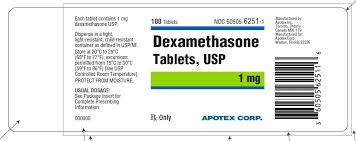
Dexamethasone is a corticosteroid medication that is commonly prescribed by healthcare professionals to treat a wide range of medical conditions. It is a synthetic form of the hormone cortisol, which is naturally produced by the adrenal glands. Dexamethasone works by reducing inflammation and suppressing the immune system, providing relief to patients suffering from various ailments. In this article, we will explore the uses, benefits, side effects, and important warnings associated with dexamethasone.
Uses
Dexamethasone has a multitude of uses due to its potent anti-inflammatory properties. It is often prescribed to manage conditions such as:
1. Allergic reactions: Dexamethasone helps alleviate symptoms of severe allergies, including itching, swelling, and redness.
2. Asthma: It can be used to control acute asthma attacks by reducing inflammation in the airways, making breathing easier.
3. Rheumatic disorders: Dexamethasone is effective in managing conditions like rheumatoid arthritis and lupus, where the immune system mistakenly attacks healthy tissues.
4. Skin conditions: Dermatologists often prescribe dexamethasone to treat various skin conditions, including eczema, psoriasis, and allergic dermatitis.
5. Cancer treatment: In some cases, dexamethasone is used as a supportive medication during chemotherapy to reduce inflammation and minimize side effects.
6. Organ transplant: Patients who undergo organ transplants often receive dexamethasone to prevent organ rejection by suppressing the immune system.
Benefits
The benefits of dexamethasone are numerous, as it can provide relief from symptoms associated with various medical conditions. By reducing inflammation and suppressing the immune response, dexamethasone can alleviate pain, swelling, redness, and itching. It can also improve overall quality of life by managing chronic conditions and preventing disease progression.
Side Effects
While dexamethasone can be highly effective in treating certain conditions, it is important to note that it may also come with certain side effects. The most common side effects include:
1. Increased appetite: Dexamethasone can cause an increase in appetite, leading to weight gain.
2. Fluid retention: Some individuals may experience fluid retention, resulting in swelling in the hands, feet, or face.
3. Mood changes: Dexamethasone can cause changes in mood, including irritability, anxiety, or even depression.
4. Insomnia: Difficulty falling asleep or staying asleep may occur as a side effect of dexamethasone.
5. Increased risk of infections: Dexamethasone suppresses the immune system, making individuals more susceptible to infections.
6. Elevated blood sugar levels: Dexamethasone can cause an increase in blood sugar levels, particularly in individuals with diabetes.
Warnings
Before starting dexamethasone, it is crucial to consider certain warnings and precautions:
1. Long-term use: Prolonged use of dexamethasone may lead to serious side effects, such as osteoporosis, muscle weakness, and adrenal insufficiency. It is essential to closely follow the prescribed dosage and duration.
2. Interactions with other medications: Dexamethasone may interact with other medications, including blood thinners, antifungal drugs, and certain antibiotics. Inform your healthcare provider about all medications you are currently taking.
3. Withdrawal symptoms: Abruptly stopping dexamethasone after long-term use can lead to withdrawal symptoms such as fatigue, muscle pain, and joint stiffness. It is important to gradually taper off the medication under medical supervision.
4. Pregnancy and breastfeeding: Dexamethasone should be used with caution during pregnancy and breastfeeding. Consult your healthcare provider for guidance on the potential risks and benefits.
5. Allergic reactions: Individuals with a known allergy to dexamethasone or other corticosteroids should avoid its use. Allergic reactions may include rash, itching, swelling, or difficulty breathing.
FAQs
No, dexamethasone is not a painkiller. It is a corticosteroid medication that primarily reduces inflammation and suppresses the immune system.
Dexamethasone has shown promising results in reducing mortality rates among severely ill COVID-19 patients. However, its use should be determined by a healthcare professional.
No, dexamethasone is not intended for weight loss. In fact, it may cause weight gain as a side effect.
The onset of dexamethasone’s effects may vary depending on the condition being treated. It is best to consult your healthcare provider for a specific timeframe.
Dexamethasone should not be used on the face without proper medical guidance. The skin on the face is delicate, and long-term use of corticosteroids can lead to adverse effects.